

We don’t like junk emails either.
That’s why we only send the good stuff… short, smart, and worth the open.

Source86
Importer of specialty raw ingredients, finished products and anything in between
The brands we supply can be found nationwide at







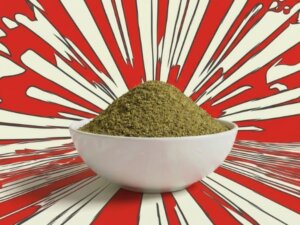
Italian Seasoning gives a touch of Mediterranean flavor to your food products!
Its versatile nature makes it suitable for a wide range of recipes, from pasta sauces and pizzas to marinades, dressings, and soups.
Unlike using individual herbs and spices, which can be time-consuming and require precise measurements, Italian Seasoning provides a convenient all-in-one solution that saves time and ensures consistent flavor profiles in every batch!
Source86 Italian Seasoning is available in bulk quantities and custom pack sizes 📦
Request for a Quote now to get started! 📨
Source86 is your number one supplier for premium bulk raw ingredients! ☝🏼
From sourcing to importing, our global team of trusty sourcerers is committed to getting you only the best ingredients in the market! 💯
Need a quote, more info, or a sample? Fill out the form below, and we’ll be happy to help.
Are you a vendor? Please contact us here.
| Origin Countries | started in the United States |
|---|---|
| Product Use | Soups and sauces, marinades and snack production. |









Italian seasoning is made by blending together a combination of dried herbs and spices commonly used in Italian cuisine. The typical ingredients include dried basil, oregano, thyme, rosemary, marjoram, and garlic powder. These herbs and spices are carefully selected and proportioned to create a balanced and flavorful blend. Each ingredient is dried thoroughly to remove moisture before being ground into a fine powder or left in flake form. The dried herbs and spices are then mixed together to create Italian seasoning, which can be further customized based on personal preferences or specific culinary applications.
Italian seasoning offers a robust and savory flavor profile with a blend of herbs such as oregano, basil, thyme, rosemary, and marjoram. It provides a harmonious balance of herbal, earthy, and slightly peppery notes, adding depth and complexity to dishes with a distinctly Mediterranean flair.
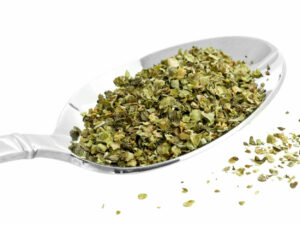
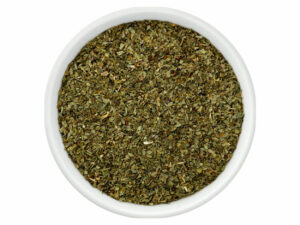
Italian seasoning typically has a coarse texture, with dried herbs and spices mixed together to form a blend. While some larger pieces of herbs may be present, the overall texture is finely ground, making it suitable for even distribution and incorporation into recipes.
Italian seasoning exhibits a range of earthy and green hues, depending on the herbs and spices included in the blend. It may feature shades of green from herbs like basil and oregano, along with darker tones from spices such as thyme and rosemary, creating a visually appealing mix.
Italian seasoning contributes to the nutritional profile of dishes by providing essential vitamins, minerals, and antioxidants found in its constituent herbs and spices. While the exact nutritional content may vary depending on the specific blend and proportions used, Italian seasoning can enhance the flavor of dishes without adding significant calories, fat, or sodium.
Italian seasoning typically has low moisture content, which helps preserve its shelf life and flavor. While it does not contribute to binding ingredients in recipes, it can be combined with liquids such as oil or vinegar to create marinades, dressings, or seasoning pastes, enhancing flavor and aroma.
Italian seasoning emits a fragrant and aromatic bouquet, with herbal, woody, and slightly floral notes. Its aroma is reminiscent of Mediterranean cuisine, evoking images of sun-drenched landscapes and rustic kitchens, adding warmth and depth to dishes.
Italian seasoning provides a well-balanced flavor profile, combining the aromatic and savory qualities of various herbs and spices. The blend is carefully curated to ensure that no single ingredient dominates, allowing for a harmonious fusion of flavors in dishes.
The diverse blend of herbs and spices in Italian seasoning creates contrast when paired with other ingredients in dishes. Its vibrant colors and aromatic fragrance add visual and sensory interest, enhancing the overall appeal and complexity of culinary creations.
Italian seasoning is inspired by the culinary traditions of Italy, where herbs and spices are commonly used to add flavor and depth to dishes. While the specific blend may vary, Italian seasoning reflects the essence of Mediterranean cuisine, incorporating herbs and spices commonly found in Italian cooking.
Italian seasoning is generally suitable for various dietary preferences, including vegetarian, vegan, gluten-free, and dairy-free diets. However, individuals with allergies or sensitivities to specific herbs or spices should check the ingredient list carefully.
Italian seasoning is often included in seasoning blends and spice mixes for convenience foods, snacks, and packaged products. These blends may contain Italian seasoning along with other herbs and spices to create unique flavor profiles tailored to specific culinary applications, such as pasta sauces, marinades, and salad dressings.
Italian seasoning is frequently added as an ingredient in various packaged foods such as soups, sauces, marinades, dressings, and ready-to-eat meals. It provides flavor enhancement and visual appeal to these products, while also offering convenience and shelf stability.
Italian seasoning is a staple ingredient in pizza and pasta dishes, where it adds depth and complexity to sauces, toppings, and fillings. It is often sprinkled over pizzas, incorporated into tomato sauces, or mixed into pasta dishes to infuse them with authentic Italian flavors.
Italian seasoning can be used to flavor bakery items such as bread, focaccia, crackers, and savory pastries. It adds an herbaceous and aromatic element to these products, enhancing their taste and texture.
Italian seasoning is commonly used in pre-packaged meals such as pasta salads, rice dishes, and grain bowls to provide a savory and aromatic seasoning. It adds depth of flavor and complexity to these convenience foods, making them more appealing to consumers.

The production of Italian Seasoning started in the United States and can be produced all-year-round.