




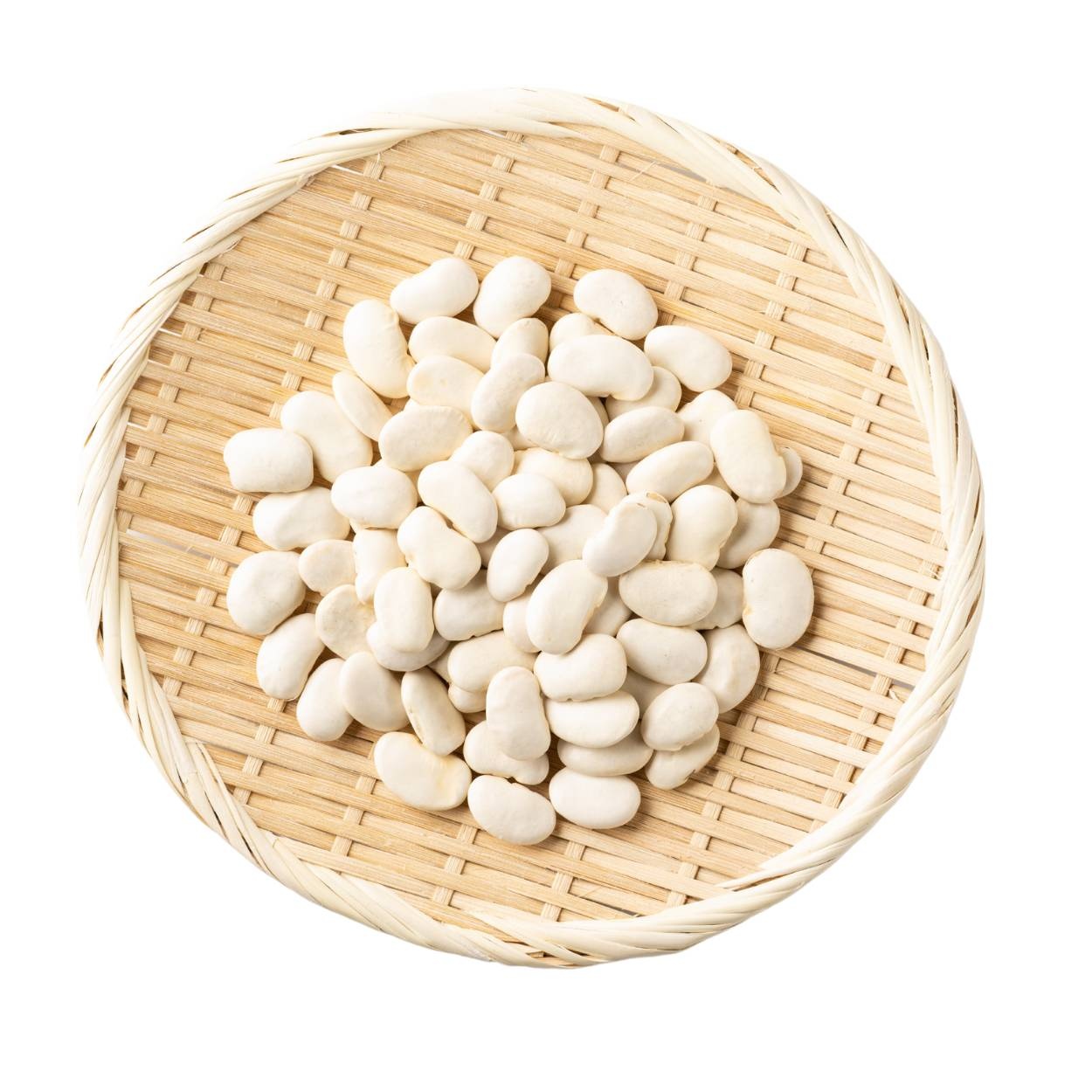
Bulk Navy Beans – Dried
Request More Information
Need a quote, more info, or a sample? Fill out the form below, and we’ll be happy to help.
Are you a vendor? Please contact us here.
Product Data
| Scientific Name | Phaseolus vulgaris |
|---|---|
| Origin Countries | USA, Canada, Morocco, India. |
| Product Uses | Frozen prepared meals, canned and packaged foods, soups and stews |









Production & Sourcing
Harvesting: Navy beans are grown in fields and harvested when they are mature. The beans are allowed to dry naturally on the plants before being collected.
Cleaning: After harvesting, the beans are cleaned to remove dirt, debris, and any damaged beans. This is done using machines that separate the good beans from impurities.
Drying: The cleaned navy beans are dried to reduce their moisture content. This is important for preserving the beans and preventing spoilage during storage.
Applications
- Canned and Packaged Food
- Soups and Stews
- Frozen Prepared Meals
- Vegetarian Cooking
- Vegan Cooking
- Snacks – Savory
- Ethnic and Regional Cuisines
- Packaged Dry Mixes
- Sauces
- Baby Food
- Private Label
Functionality
- Essential Minerals
- Nutrients
- Texture
- Plant-Based Protein
- Dietary Fiber Enrichment
- Low Glycemic Index
- Blood Sugar Management
Benefits
Dried navy beans have a mild, subtle flavor that can be described as slightly nutty and earthy. They don’t have a strong taste on their own, which makes them versatile for absorbing the flavors of seasonings and ingredients used in various recipes.
When cooked, dried navy beans have a smooth and creamy texture, making them a popular choice for dishes such as soups, stews, and bean spreads. Their tender texture allows them to easily blend into other ingredients while adding a satisfying mouthfeel.
Dried navy beans are small and oval-shaped, with a white or ivory color. This light color provides a neutral base that complements the appearance of dishes they’re added to.
Dried navy beans are a nutritional powerhouse. They are high in dietary fiber, plant-based protein, and complex carbohydrates. They also provide essential vitamins and minerals, including folate, magnesium, iron, and potassium. Additionally, navy beans contain antioxidants and contribute to heart health and blood sugar regulation.
Dried navy beans have low moisture content, which is advantageous for dishes where you want to control the moisture level. They can also serve as natural binding agents in recipes due to their starch content.
While dried navy beans have a subtle aroma on their own, they can absorb and enhance the aromatics of herbs, spices, and seasonings used in cooking. This allows them to contribute to the overall aromatic profile of dishes.
Dried navy beans provide a neutral and mild canvas that can balance and harmonize with a wide range of ingredients. They add substance and nutritional value to dishes without overpowering other flavors.
The creamy texture of cooked dried navy beans can create contrast when used in combination with ingredients that have different textures, such as crunchy vegetables or crispy toppings. This contrast adds depth to the overall eating experience.
Dried navy beans are commonly used in American cuisine, especially in dishes like baked beans and New England-style bean soups. They are also utilized in international cuisines, such as Italian, where they’re used in dishes like pasta e fagioli.
Dried navy beans are suitable for various dietary preferences and restrictions. They are an excellent source of plant-based protein for vegetarians and vegans. Additionally, their low glycemic index and fiber content make them suitable for managing blood sugar levels. However, individuals with certain digestive sensitivities may need to take precautions when consuming beans, as they can cause gas or discomfort in some cases.
Uses in manufacturing
Dried navy beans are often used in the production of canned soups and stews. They add substance, nutrition, and a creamy texture to these products, enhancing their overall quality.
Dried navy beans can be processed and canned on their own or as part of mixed bean products. These canned beans are convenient for consumers and can be used in salads, side dishes, and main courses.
Dried navy beans can be used to create spreads and dips, such as hummus or bean-based dips. They contribute to the creamy consistency and can be flavored with various herbs and spices.
Dried navy beans can be incorporated into frozen prepared meals, including casseroles, pasta dishes, and ethnic cuisine offerings. They provide texture and nutrition to these convenient meal options
Dried navy beans are used in the production of vegetarian and vegan products such as veggie burgers, plant-based sausages, and meat alternatives. They contribute protein and texture to these products.
Some food manufacturers use dried navy beans to create bean-based snacks, such as baked bean chips or crispy bean snacks. These products offer a healthier alternative to traditional snacks.
Dried navy beans can be added to ready-to-eat salads to provide protein and texture. They are often found in salads available in deli sections or packaged as convenient meal options.
Dried navy beans are used in various international dishes, such as cassoulet, pasta e fagioli, and other bean-centric recipes from around the world.
Dried navy beans can be included in packaged dry mixes, such as soup mixes or meal kits. Consumers can simply add water and other ingredients to create a complete meal.
Dried navy beans are a common choice for making canned baked beans, a popular side dish in many cuisines.
Navy beans can be used as an ingredient in sauces, fillings, and spreads, adding creaminess and nutritional value to the final product.
Dried navy beans can be processed into baby food and purees, offering a nutrient-rich option for infants and toddlers.

Main producing countries and Harvest time
The main producing countries of navy beans include the United States, Canada, Morocco, India. However, in North America, the harvest season typically falls between late summer and early autumn, which is around August to October.