


We don’t like junk emails either.
That’s why we only send the good stuff… short, smart, and worth the open.

Source86
Importer of specialty raw ingredients, finished products and anything in between
The brands we supply can be found nationwide at







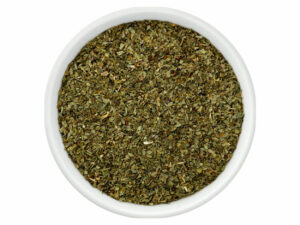
Discover the unmatched flavor and aromatic richness of our hand-picked Dried Oregano, meticulously crafted to elevate your culinary creations!
Elevate Mediterranean classics like Greek salads, tzatziki dips, and roasted lamb with the earthy and aromatic notes of oregano. Perfect for pasta sauces, pizzas, and bruschettas, this ingredient lets you explore the world of Italian cuisine! Sprinkle over grilled vegetables, meats, and seafood, add depth to soups, stews, and sauces and experiment with artisanal bread, focaccia, and savory pastries! Our Dried Oregano Is available in bulk quantities. Request a quote now to get started! Source86 is your number one supplier for specialty bulk raw ingredients! From sourcing to importing, we have your back every step of the way.
Need a quote, more info, or a sample? Fill out the form below, and we’ll be happy to help.
Are you a vendor? Please contact us here.
| Scientific Name | Origanum vulgare |
|---|---|
| Origin Countries | Mediterranean region |
| Product Use | Dressings and sauces, seasoned nuts and seeds, frozen foods |








Harvesting: Oregano plants are grown in suitable conditions until they reach the desired maturity. The leaves are usually harvested just before the plant starts to flower, as this is when the flavor and aroma are most concentrated.
Cleaning: The harvested oregano leaves are carefully cleaned to remove dirt, debris, and any damaged leaves.
Drying: The cleaned oregano leaves are spread out in a well-ventilated and dry area to dry.
Air Drying: Air circulation is essential during the drying process. The leaves are left to air dry naturally, which allows the moisture to slowly evaporate.
Monitoring: During the drying process, it’s important to regularly check the leaves to ensure they are drying evenly and not developing mold or other issues.
Crushing and Packaging: Once the oregano leaves are fully dried and become brittle, they are carefully removed from the stems. The leaves are then gently crushed or crumbled to create smaller pieces suitable for culinary use.
Dried oregano is known for its strong and aromatic flavor profile. It offers a robust combination of earthy, slightly bitter, and slightly peppery notes, with a hint of citrus. The flavor intensifies when dried, making it a staple herb in Mediterranean and many other cuisines.
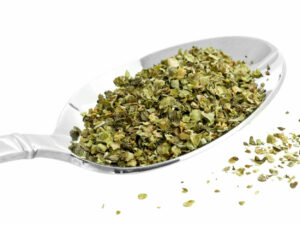
Dried oregano has a brittle and crumbly texture due to the removal of moisture during the drying process. The leaves are delicate, making it easy to crush or crumble between your fingers before adding to dishes.
The color of dried oregano ranges from deep green to brown. It becomes darker as it dries, losing some of its vibrant green hue but still maintaining an appealing appearance.
Dried oregano is not only used for its flavor but also contains certain nutritional benefits. It is a good source of antioxidants, including phenolic acids and flavonoids, which can contribute to overall health. However, because it’s typically used in small amounts, its nutritional impact is limited.
Drying oregano removes the majority of its moisture content, which enhances its shelf life and intensifies its flavor. The absence of moisture also makes it useful for binding in dry rubs, spice blends, and coatings.
Dried oregano is highly aromatic. The essential oils present in the herb contribute to its distinctive scent, which is released when the leaves are crushed or crumbled. This aromatic quality is a key reason for its widespread use in culinary applications.
Dried oregano adds a balancing effect to dishes, especially rich and heavy ones. Its slightly bitter and earthy notes can counteract the richness of fats and oils, while its aromatic profile enhances the overall flavor profile of a dish
Dried oregano creates contrast in dishes by providing a burst of herbal brightness and complexity. It can stand out against milder ingredients, adding depth to a wide range of recipes.
Dried oregano holds a significant place in Mediterranean cuisine, particularly in dishes from Greece and Italy. It’s a key ingredient in classics like Greek salad, pizza, pasta sauces, and marinades. However, its popularity has spread globally, and it’s now used in various cuisines worldwide
Dried oregano is generally considered safe for consumption and is used in small quantities, so it doesn’t usually pose dietary concerns. It’s often included in various diets, including vegetarian and vegan diets. However, as with any herb or spice, individuals with allergies or sensitivities should exercise caution and read labels to ensure it’s safe for them to consume.
In food manufacturing, dried oregano is used as a versatile ingredient to impart flavor, aroma, and visual appeal to various products. Here are some common ways dried oregano is used in the food manufacturing process:
Dried oregano is often included in spice blends and seasoning mixes used in food production. These blends can be tailor-made for specific applications, such as marinades, rubs, sauces, and ready-to-eat meals.
Dried oregano can be incorporated into processed meat products like sausages, deli meats, and meatballs. It contributes flavor and enhances the overall taste profile of these products.
Dried oregano can be used as a seasoning for snack foods such as potato chips, popcorn, and pretzels. It adds a unique flavor element that can set a product apart from others.
Some baked goods, such as bread, rolls, and crackers, can benefit from the addition of dried oregano. It can be mixed into the dough or sprinkled on top for added flavor.
Dried oregano is commonly used in the production of salad dressings, pasta sauces, pizza sauces, and other condiments. Its flavor and aroma enhance the taste of these products.
Dried oregano can be included in ready-to-eat meals and frozen entrées to improve their flavor profile. It helps mimic the taste of freshly prepared dishes.
Many canned soups, stews, and canned vegetables contain dried oregano to enhance the overall taste and aroma of the products.
Some savory snack bars or energy bars may incorporate dried oregano to create a unique and appealing flavor profile.
Frozen pizza, pasta, and other frozen foods can include dried oregano to maintain consistent flavor even after freezing and reheating.
Dried oregano can be used to flavor nuts and seeds, providing a savory twist to these snack items.
In food manufacturing, dried oregano is often used in combination with other herbs, spices, and flavorings to create complex and well-balanced flavor profiles. Its strong flavor and aromatic properties make it a valuable addition to various products, helping to differentiate them in the market and satisfy consumer preferences for unique tastes. The exact usage of dried oregano will depend on the type of product being manufactured and the desired flavor outcome.

The main producers of oregano are primarily located in the Mediterranean region such as Turkey and Greece.
Generally, the best time for harvesting oregano is just before it flowers, as this is when the flavor and aroma are at their peak. In the Mediterranean region, oregano is typically harvested in the late spring to early summer months, from May to July.