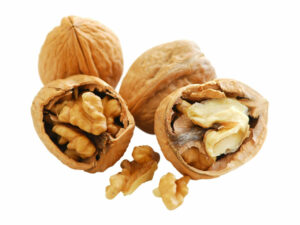






Bulk Pecans (Various Sizes)
– Small
– Medium
– Large
Request More Information
Need a quote, more info, or a sample? Fill out the form below, and we’ll be happy to help.
Are you a vendor? Please contact us here.
Product Data
| Scientific Name | Carya illinoinensis |
|---|---|
| Origin Countries | USA, South Africa and Australia |
| Product Uses | Garnishing, coatings and crusts, culinary oils and extracts |










Production & Sourcing
The process of growing pecans involves planting and nurturing pecan trees, which take several years to mature before bearing fruit. Once mature, the trees produce clusters of pecans encased in a green husk. When the nuts are ripe, the husks split open, revealing the shell-encased pecans. Harvesters collect the pecans, remove the husks, and dry the nuts to lower their moisture content. After drying, the pecans are cracked open to extract the edible kernels inside.
Applications
- Baked Goods
- Confectionary
- Toppings
- Snack Bars and Energy Bars
- Snacks – Sweet
- Trail Mixes and Snack Mixes
- Salad and Side Dishes
- Coatings and Crusts
- Nut Butters and Spreads
- Garnishing
- Culinary Oils and Extracts
- Vegan
- Vegetarian
- Paleo
Functionality
- Essential Minerals
- Omega-3 Fatty Acids
- Heart Health
- Brain Health
- Gluten-Free
- Tecture
- Healthy Fats
- Plant-Based Protein
- Dietary Fiber Enrichment
- Vitamin E Boost
Benefits
Pecans have a rich, buttery flavor with a slightly sweet and nutty taste. When roasted, their flavors intensify, becoming earthier and more robust.
Pecans have a crunchy and slightly crisp texture when raw. When toasted or roasted, they become crunchier, enhancing their overall texture.
Pecans have a light brown hue when raw. Roasted pecans deepen in color, turning into a darker brown.
Pecans are packed with nutrients like healthy fats, protein, fiber, antioxidants (such as vitamin E), and minerals like manganese and zinc. They are known for their heart-healthy benefits and can support brain health due to their omega-3 fatty acids content.
Pecans have a moderate moisture content but are naturally oily, contributing to their creamy texture and binding properties when used in recipes.
Pecans release a sweet and nutty aroma, especially when roasted or baked.
Their buttery and slightly sweet flavor provides a pleasant contrast in both sweet and savory dishes, complementing various ingredients.
Pecans have a strong cultural association with the Southern United States, being a staple ingredient in many Southern dishes like pecan pie.
Pecans are nutrient-dense and suitable for various diets, including vegetarian, vegan, and gluten-free diets. However, individuals with nut allergies should avoid pecans.
Uses in manufacturing
Pecans are prevalent in baked goods such as pecan pies, cakes, cookies, and bread. They are also used in pastries, muffins, and tarts to add a rich, nutty flavor and crunchy texture.
Roasted or candied pecans are popular as snack items, either salted, sweetened, or seasoned with various spices.
Pecans are used in making pralines, chocolate confections, toffees, and other candies, enhancing the taste and texture.
They are often included in breakfast cereals, granola bars, and trail mixes to add a crunchy texture and nutty flavor.
Pecans are added to salads, especially in combination with fruits or vegetables. They’re used in savory dishes like stuffing, casseroles, and as crusts for meats, adding depth and texture.
Pecan butter is another use, offering an alternative to peanut or almond butter, providing a unique flavor profile.
Pecans are used as toppings for ice cream, yogurt, and various desserts. Chopped or whole pecans serve as decorative and flavorful garnishes.
Pecans are also processed to extract oil, used in cooking and as a flavoring agent. Pecan extracts are used in baking and confectionery to enhance the nutty flavor in recipes.

Main producing countries and Harvest time
The United States, South Africa and Australia are among the key players in the global production of pecans. Pecans are harvested around early September through November in the US.