
We don’t like junk emails either.
That’s why we only send the good stuff… short, smart, and worth the open.

Source86
Importer of specialty raw ingredients, finished products and anything in between
The brands we supply can be found nationwide at






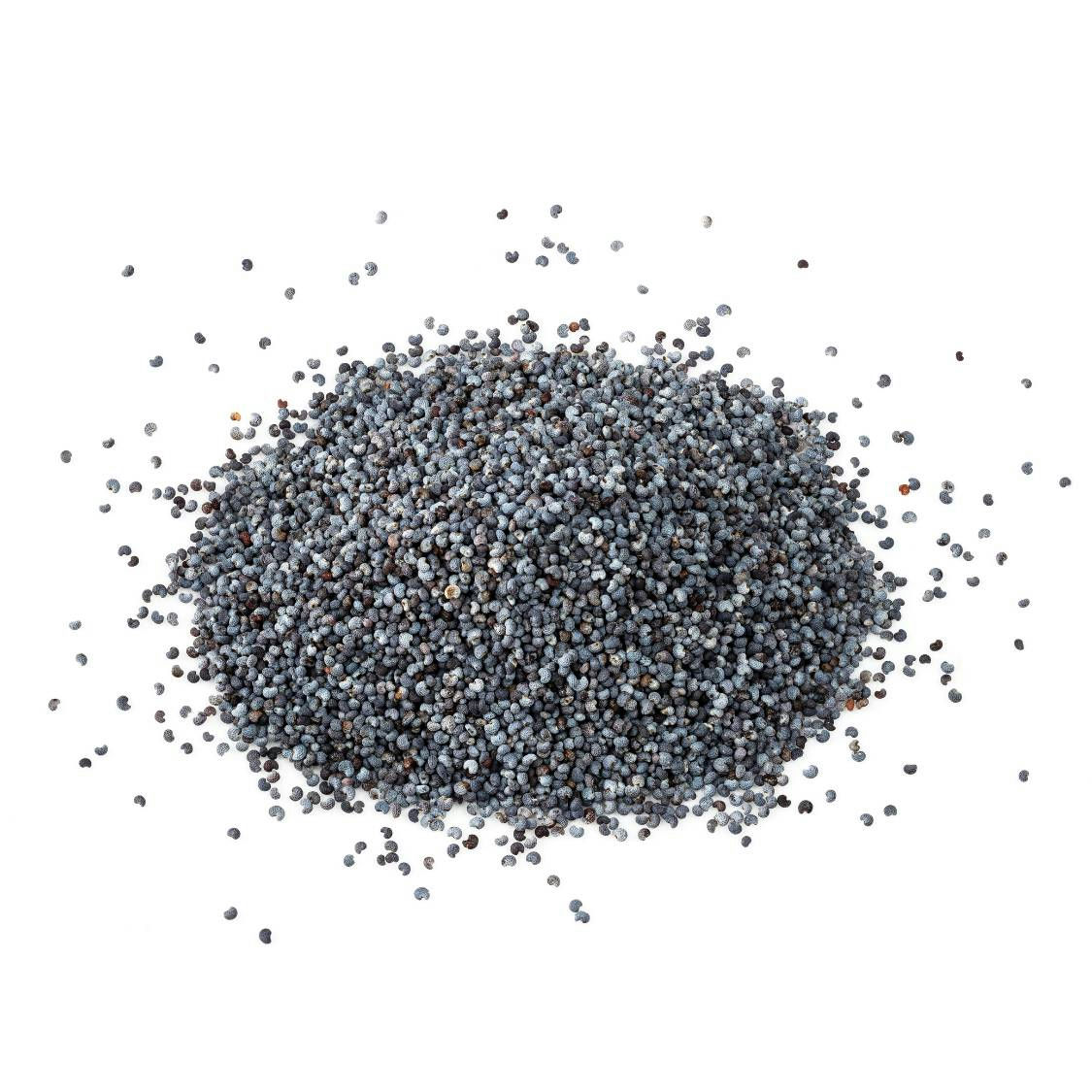
Hulled poppy seeds, also known as poppyseed hearts, are versatile and nutrient-rich seeds with a delicate nutty flavor!
Use this ingredient to enhance the flavor of different food products such as of baked goods, bread, pastries, desserts, salads, and savory dishes!
These seeds offer a delicate crunch, adding texture to various food products like bagels, cakes, cookies, and toppings for yogurt or fruit salads.
Get this ingredient in bulk quantities, and in customized pack sizes that fit your business needs! 📦
Request for a Quote now to get started! 📨
Source86 is your number one supplier for premium bulk raw ingredients! ☝🏼
From sourcing to importing, our global team of trusty sourcerers is committed to getting you only the best ingredients in the market! 💯
Need a quote, more info, or a sample? Fill out the form below, and we’ll be happy to help.
Are you a vendor? Please contact us here.
| Scientific Name | Papaver somniferum |
|---|---|
| Origin Countries | Czech Republic, Turkey and Australia |
| Product Use | Desserts, spice blends, snack bars and energy bites |





Hulled poppy seeds are produced by mechanically removing the outer husk or shell from poppy seeds, a process known as hulling. This process involves separating the seeds from their protective coating, resulting in the extraction of the inner edible part of the seed.
Hulled poppy seeds offer a mildly nutty and slightly sweet flavor profile. They have a delicate taste that becomes more pronounced when used in larger quantities or when toasted.
These seeds have a tiny, round shape and a smooth exterior, offering a crunchy and slightly gritty texture when chewed. They provide a subtle crunch without being overly hard.
Hulled poppy seeds typically have a slate-blue or grayish hue due to the removal of their outer coating, differing from the natural darker color of unprocessed poppy seeds.
Poppy seeds are nutrient-dense, containing essential minerals like calcium, phosphorus, magnesium, and healthy fats. They’re also a good source of dietary fiber and protein.
These seeds have low moisture content and don’t possess significant binding properties on their own. However, when combined with moisture, they can contribute to the texture and thickness of certain dishes or baked goods.
Hulled poppy seeds offer a mild, nutty aroma, particularly noticeable when they’re ground or used in larger quantities in cooking or baking.
Their subtle nutty flavor and crunchy texture make them versatile in complementing various dishes without overpowering other flavors, contributing to a well-balanced taste profile.
In recipes, hulled poppy seeds add a delicate crunch and a slight textural contrast, particularly in baked goods, dressings, or sprinkled as a topping.
Poppy seeds have cultural significance in various cuisines worldwide, including European, Middle Eastern, Indian, and Asian cooking, where they’re used in both sweet and savory dishes.
While highly nutritious, it’s important to note that poppy seeds can sometimes contain trace amounts of opiate residue from the plant.
In food manufacturing, hulled poppy seeds are used in various ways due to their subtle flavor and crunchy texture. Here are common applications:
They’re a key ingredient in baking recipes, including bread, bagels, pastries, cakes, muffins, and cookies, where they add texture, a nutty flavor, and decorative appeal as toppings or fillings.
Hulled poppy seeds are incorporated into salad dressings, vinaigrettes, sauces, or marinades, contributing flavor and texture to salads, coleslaws, or pasta salads.
They’re used in snack bars, granola bars, energy bites, or trail mixes, adding both nutritional value and a subtle crunch to these snacks.
Hulled poppy seeds are part of spice blends or seasoning mixes used in the production of savory snacks, chips, or crackers, enhancing flavors and textures.
Food manufacturers incorporate hulled poppy seeds into ready-to-eat meals, such as frozen dishes or refrigerated foods, for added texture and nutritional benefits.
They’re used in dessert recipes like puddings, ice creams, or confections, providing a delicate nutty flavor and a slight crunch.
Hulled poppy seeds are prevalent in various cuisines, such as Eastern European, Middle Eastern, Indian, and Asian dishes, where they’re used in both sweet and savory recipes, including fillings, toppings, and condiments.
Poppy seeds or extracts derived from them may be used in health products or nutritional supplements for their nutrient content and potential health benefits.

Czech Republic, Turkey and Australia are among the world’s top producers of poppy seeds.
The general harvest season for poppy seeds typically falls between late spring and early summer, which can vary depending on the specific region and climate. In many parts of the world, poppy seeds are harvested when the opium poppy plants (Papaver somniferum) have matured and the seed pods have dried out. This usually occurs about 3 to 4 months after the plants have been sown.