





Bulk Soybean – Raw | Whole | Grade A (Organic)
Request More Information
Need a quote, more info, or a sample? Fill out the form below, and we’ll be happy to help.
Are you a vendor? Please contact us here.
Product Data
| Scientific Name | Glycine max |
|---|---|
| Origin Countries | Brazil, USA, Argentina |
| Product Use | Soy flour, soups and stews, salad and side dishes |







Production & Sourcing
Brazil, the United States, Argentina and China are among the main producers of soybeans. The general harvest season for soybeans typically occurs in the late summer to early autumn, depending on the region and local climate conditions. In the United States, for example, soybean harvest season usually spans from September to October.
Applications
- Vegan Cooking
- Vegetarian Cooking
- Plant-Based Protein Products
- Dairy-Free Alternative
- Tofu and Tempeh Production
- Textured Vegetable Protein
- Soy Flour
- Trail Mixes and Snack Mixes
- Granola Bars
- Snacks – Savory
- Salad and Side Dishes
- Soups and Stews
- Pasta and Noodles
- Sauces and Condiments
- Pet and Animal Nutrition
- Private Label
Functionality
- Omega-3 Fatty Acids
- Omega-6 Fatty Acids
- Healthy Fats
- Plant-Based Protein
- Dietary Fiber Enrichment
- Essential Amino Acids
- Nutrients
- Protein Sorce
- Protein Fortification
- Plant-Based Alternative
Benefits
Organic raw whole soybeans have a nutty, mildly earthy flavor. When cooked, they develop a slightly sweet and creamy taste, making them versatile for a variety of dishes.
The texture of organic raw whole soybeans is firm and dense. When cooked, they become tender but still retain a satisfying bite, making them suitable for different culinary applications.
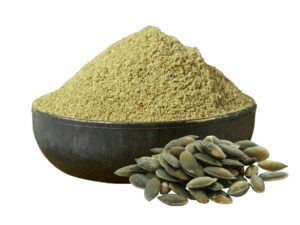
Organic raw whole soybeans are typically light to medium yellow in color. The outer skin is beige, while the inner bean is a pale yellow.
Organic raw whole soybeans are a highly nutritious legume. They are rich in protein, dietary fiber, essential amino acids, and various minerals (such as iron, calcium, and magnesium). They are also a good source of healthy fats, particularly omega-3 and omega-6 fatty acids.
Raw whole soybeans have a relatively low moisture content. When cooked, they have the ability to absorb moisture, which makes them suitable for a variety of dishes, including stews, soups, and salads. They can also be ground into flour for use as a binding agent in recipes.
Raw whole soybeans have a subtle earthy aroma. This aroma becomes more pronounced when they are cooked, releasing a nutty scent.
In culinary preparations, raw whole soybeans can be balanced with other ingredients to complement their nutty flavor and firm texture. They pair well with a range of flavors, allowing them to be incorporated into various dishes.
Raw whole soybeans can provide a contrasting texture and flavor in dishes, particularly when used alongside softer or milder ingredients. They can add a satisfying crunch or a chewy element.
Soybeans hold significant cultural and regional importance, particularly in East Asian cuisines where they have been a staple for centuries. Soy-based products like tofu, tempeh, and soy sauce are integral to many Asian culinary traditions.
Organic raw whole soybeans are a valuable source of plant-based protein. They are also suitable for vegans and vegetarians. However, they contain compounds called antinutrients, such as phytic acid, which can hinder the absorption of certain minerals.
Uses in manufacturing
Organic raw whole soybeans are used in food manufacturing for a variety of purposes due to their versatility and nutritional profile. Here are some common applications:
Whole soybeans can be ground and processed to make soy milk, which serves as a dairy milk alternative. It is used in beverages, as well as in the production of yogurt, cheese, and other dairy-free products.
Soybeans are a primary ingredient in the production of tofu and tempeh, two popular plant-based protein sources. Tofu is made by coagulating soy milk, while tempeh involves fermenting cooked soybeans.
Whole soybeans can be processed into TVP, a versatile and protein-rich ingredient used as a meat substitute in various vegetarian and vegan products.
Soybeans can be ground into flour, which is used in baking to increase protein content and enhance nutritional value. It is incorporated into bread, pastries, and gluten-free products.
Roasted or toasted whole soybeans are commonly used in snacks, such as trail mixes, granola bars, and snack chips. They provide a crunchy texture and a protein boost.
Whole soybeans can be cooked and added to soups, stews, and chilis to enhance their protein content and provide a satisfying texture.
Cooked and chilled soybeans make a nutritious addition to salads, grain bowls, and side dishes. They add protein, texture, and a nutty flavor.
Soybean flour is sometimes used in the production of pasta and noodles to increase protein content and offer a gluten-free option.
Soybeans are a key ingredient in the production of soy sauce, miso paste, and other condiments that are essential in various Asian cuisines.
In addition to human consumption, whole soybeans are used in animal feed for their high protein content, particularly in livestock and poultry diets.
Soybeans are processed to extract soybean oil, which is used in a wide range of food products, including cooking oils, margarine, salad dressings, and processed foods.

Main producing countries and Harvest time
Brazil, the United States, Argentina and China are among the main producers of soybeans. The general harvest season for soybeans typically occurs in the late summer to early autumn, depending on the region and local climate conditions. In the United States, for example, soybean harvest season usually spans from September to October.