We don’t like junk emails either.
That’s why we only send the good stuff… short, smart, and worth the open.

Source86
Importer of specialty raw ingredients, finished products and anything in between
The brands we supply can be found nationwide at






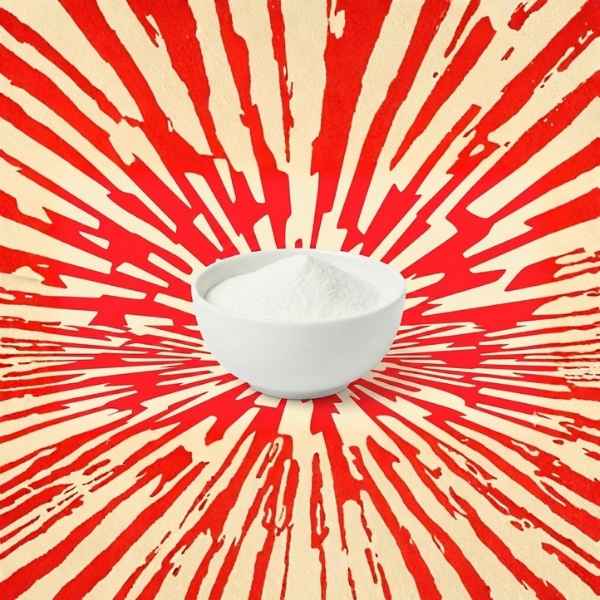
Made from organically grown cassava, Source86 Organic Bulk Tapioca Maltodextrin is a useful ingredient in food production! Bulk Organic Tapioca Maltodextrin is a versatile ingredient used in food manufacturing for its ability to convert high-fat or oily substances into dry, powdery forms. From creating airy and frothy textures, to smooth creamy consistencies, Bulk Organic Tapioca Maltodextrin is an ingredient to keep in the world of desserts! It is also an essential component of food powders such as spice mixes, fruit powders, drink mixes and so much more. Our Bulk Organic Tapioca Maltodextrin is available for purchase in bulk quantities and in customizable packaging options! Request for a quote now to get started! 📨 Source86 is your number one supplier for premium bulk raw ingredients! 🌎 From sourcing to importing, our global team of trusty sourcerers is committed to getting you only the best ingredients in the market! 💯
Need a quote, more info, or a sample? Fill out the form below, and we’ll be happy to help.
Are you a vendor? Please contact us here.
| Scientific Name | Manihot esculenta |
|---|---|
| Origin Countries | China, Thailand and Indonesia |
| Product Uses | Desserts, powdered mixes, icings and frostings |






Tapioca maltodextrin is produced through a process called enzymatic modification.
It begins with the extraction of tapioca starch from the organically grown cassava plant. This starch undergoes hydrolysis, a process in which water and enzymes break down the large starch molecules into smaller, more easily digestible carbohydrate molecules. The result is a fine, white powder known as tapioca maltodextrin.
Organic Tapioca Maltodextrin is virtually flavorless, similar to its non-organic counterpart. It imparts no discernible taste to food products
It is a fine, white powder with a texture resembling powdered sugar. The organic version shares this characteristic with conventional Tapioca Maltodextrin.
Organic Tapioca Maltodextrin is typically a white or off-white powder, consistent with conventional Tapioca Maltodextrin.
Organic Tapioca Maltodextrin primarily serves as a source of calories. However, it is considered a non-nutritive ingredient, as it does not provide significant vitamins, minerals, or other nutrients. Its nutritional profile is similar to the non-organic version.
It shares the same functionality as conventional Tapioca Maltodextrin. It is valued for its ability to convert fats or oils into powders, making it useful in applications where a powdered form of a fat or flavor is desired.
Organic Tapioca Maltodextrin is neutral and does not have any distinctive aroma. Its aromatic profile is similar to the non-organic version.
It can contribute to achieving a balanced texture and mouthfeel in products, especially when used in conjunction with other ingredients. This characteristic remains consistent whether organic or not.
Organic Tapioca Maltodextrin, like its conventional counterpart, can create a contrast in dishes by allowing for the incorporation of powdered forms of ingredients that would otherwise be in liquid or oily form.
The use of tapioca, and by extension, tapioca maltodextrin, is not specific to any particular culture or region. Tapioca is derived from the cassava plant, which is native to South America but is now cultivated globally.
Organic Tapioca Maltodextrin is generally considered safe for consumption and is not known to cause allergies. However, individuals with tapioca allergies should exercise caution. This applies to both organic and non-organic versions.
Organic Tapioca Maltodextrin is used to transform liquid fats and oils into a dry, powdery form. This is particularly useful for creating flavored powders for dishes or garnishes.
It can be used to infuse flavors into dishes. For example, it can be combined with herbs, spices, or other flavorings to create powders that can be sprinkled on dishes for added flavor.
Organic Tapioca Maltodextrin can be used to modify the texture and mouthfeel of foods. It can make creamy or oily substances more powdery, which can lead to unique culinary presentations.
It can be used in desserts to create powders with concentrated flavors. For example, it can be used to make powdered fruit flavors for dusting over cakes or desserts.
Organic Tapioca Maltodextrin can be used to stabilize and thicken emulsions in sauces and dressings, providing a smoother texture.
It can be used in the beverage industry to create powdered drink mixes, flavorings, and instant beverages. For example, it can be used to create powdered coffee creamers.
Tapioca Maltodextrin can be used to encapsulate and protect sensitive flavors, aromas, or oils from degradation due to exposure to oxygen, moisture, or light. This helps to preserve the quality and potency of these ingredients.
When combined with other ingredients, Organic Tapioca Maltodextrin can be used to create foams and airy textures in dishes. This is achieved by incorporating air into the mixture, resulting in a light, frothy consistency.
It can be used in the production of snack foods to enhance flavor and texture. For example, it can be used to create powdered cheese flavors for snack seasonings.
Organic Tapioca Maltodextrin powders can be used to create decorative elements or garnishes on plates, adding both flavor and visual appeal.
By combining with oils or vinegars, Organic Tapioca Maltodextrin can be used to create flavored powders that can be used as seasonings or garnishes.

China, Thailand and Indonesia are among the main producing countries of tapioca maltodextrin.
The production of organic tapioca maltodextrin can occur throughout the year as it is a processed product derived from tapioca starch.