





Bulk Tarragon Leaves
Dried Tarragon Leaves are a versatile herb that adds a touch of sophistication to any dish!
Their complex flavor profile adds depth and complexity to both savory and sweet dishes, making them suitable for use in sauces, dressings, marinades, soups, and more.
Source86 Dried Tarragon Leaves is available in bulk quantities and custom pack sizes that fit your wholesale ingredient needs 📦
Request for a Quote now to get started! 📨
Source86 is your number one supplier for premium bulk raw ingredients! ☝🏼
From sourcing to importing, our global team of trusty sourcerers is committed to getting you only the best ingredients in the market! 💯
Request More Information
Need a quote, more info, or a sample? Fill out the form below, and we’ll be happy to help.
Are you a vendor? Please contact us here.
Product Data
| Scientific Name | Artemisia dracunculus |
|---|---|
| Origin Countries | France, Spain and USA |
| Product Use | Meat and poultry processing, marinades and soups |










Production & Sourcing
Dried Tarragon Leaves are made by harvesting fresh Tarragon leaves and carefully drying them to remove moisture while preserving their flavor and aroma. Once harvested, the Tarragon leaves are washed and then laid out in a single layer on drying trays or racks. They are then placed in a dehydrator or oven set to a low temperature to slowly dry them.
Applications
- Seasonings and Dry Blends
- Marinades
- Soups
- Dressings and Sauces
- Packaged Dry Mixes
- Snack Production
- Baked Goods
- Meat and Poultry Processing
- Ready-To-Eat Meals
- Vegan
- Vegetarian
Functionality
- Essential Minerals
- Vitamin A Boost
- Vitamin C Boost
- Antioxidant
- Dietary Fiber Enrichment
Benefits
Dried Tarragon leaves offer a distinctively sweet and slightly peppery flavor with hints of anise and vanilla. They have a robust and aromatic taste, similar to fresh Tarragon but more concentrated. Dried Tarragon adds depth and complexity to dishes, enhancing savory flavors without overwhelming them.
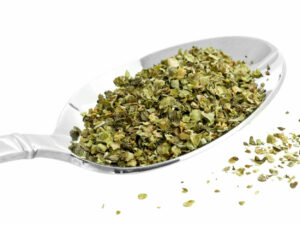
Dried Tarragon leaves have a delicate and brittle texture, with leaves that crumble easily between the fingers. While not as tender as fresh Tarragon, they still provide a pleasant texture when crushed or sprinkled over dishes, releasing their aromatic oils and flavor.
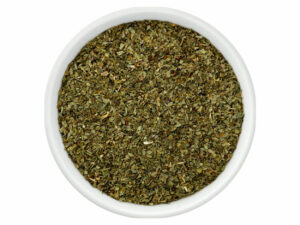
Dried Tarragon leaves typically exhibit a muted green color, reflecting the natural pigments present in Tarragon leaves. This green hue may fade slightly during the drying process but still adds visual interest to dishes and serves as a marker of freshness and quality.
Dried Tarragon leaves contain various vitamins, minerals, and antioxidants, including vitamin C, vitamin A, calcium, and iron. They also provide dietary fiber and phytochemicals that may have potential health benefits, such as anti-inflammatory and antimicrobial properties.
Dried Tarragon leaves have very low moisture content, which helps preserve their texture and flavor over time. While they do not contribute significantly to binding ingredients in recipes, they can be rehydrated in liquid or incorporated into moist ingredients to enhance flavor and aroma.
Dried Tarragon leaves emit a strong and distinctive aroma, with sweet, herbal, and slightly licorice-like notes. Their aromatic profile adds depth and complexity to dishes, enhancing the overall sensory experience and contributing to the fragrance of culinary creations.
Dried Tarragon leaves provide a well-balanced flavor to dishes, complementing other ingredients without overpowering them. Their sweet and peppery taste allows for precise seasoning, ensuring a harmonious fusion of flavors in recipes.
While Dried Tarragon leaves may not provide as much visual contrast as fresh herbs, their aromatic fragrance and complex flavor create contrast when paired with other ingredients in dishes. Their bold appearance and distinctive aroma add visual and sensory interest, enhancing the overall appeal and complexity of culinary creations.
Tarragon is commonly used in French, Mediterranean, and Russian cuisines, where it is prized for its aromatic and culinary qualities. Dried Tarragon leaves are a versatile ingredient in various cultural and regional dishes, including sauces, salads, marinades, and soups.
Dried Tarragon leaves are generally safe for consumption and are suitable for various dietary preferences, including vegetarian, vegan, gluten-free, and dairy-free diets.
Uses in manufacturing
Dried Tarragon Leaves are often included in seasoning blends and spice mixes for convenience foods, snacks, and packaged products. These blends may contain Tarragon along with other herbs and spices to create unique flavor profiles tailored to specific culinary applications.
Dried Tarragon Leaves are frequently added as an ingredient in various packaged foods such as soups, sauces, marinades, dressings, and ready-to-eat meals. They provide flavor enhancement and visual appeal to these products, while also offering convenience and shelf stability. Dried Tarragon Leaves are frequently added as an ingredient in various packaged foods such as soups, sauces, marinades, dressings, and ready-to-eat meals. They provide flavor enhancement and visual appeal to these products, while also offering convenience and shelf stability.
Dried Tarragon Leaves are commonly used to flavor sauces, dressings, and marinades. They add a distinctive sweet and peppery flavor, as well as aromatic complexity, to dishes such as béarnaise sauce, vinaigrettes, and herb-infused oils.
Dried Tarragon Leaves are often used to season meat and poultry products, such as chicken, turkey, and fish. They add a unique flavor dimension to these dishes, enhancing their taste and aroma without overpowering the natural flavors of the meat.
Dried Tarragon Leaves can be incorporated into bakery items such as bread, crackers, and savory pastries to add a subtle herbal flavor. They are also used in snack foods like flavored nuts, popcorn, and chips for a savory twist.

Main producing countries and Harvest time.
Tarragon is mainly cultivated in France, Spain and temperate regions of the USA. Tarragon leaves are harvested usually 6 weeks after planting.