Salmonella often surfaces in the headlines in connection with food recalls or warnings about undercooked poultry. However, beneath the surface of public awareness lies a serious issue: salmonella-related illnesses can escalate rapidly and pose significant health risks. For manufacturers and suppliers, these outbreaks carry both human and financial consequences that reverberate across the supply chain.
According to the Centers for Disease Control and Prevention (CDC), salmonella is the leading bacterial cause of foodborne illness in the United States. Each year, it accounts for more than 1.35 million infections, 26,500 hospitalizations, and approximately 420 deaths. These numbers reflect more than simple discomfort—they highlight a critical public health challenge. Salmonella doesn’t warn you, food recalls do.
How salmonella spreads and manifests
Salmonella is a bacterium commonly found in the intestines of humans and animals. Transmission typically occurs through consumption of contaminated food or water, or contact with contaminated surfaces.
Once ingested, symptoms generally emerge within 6 hours to 6 days. While many individuals recover without medical intervention, vulnerable populations—including young children, older adults, and those with weakened immune systems—can experience severe or even life-threatening illness.
Common symptoms include:
- Diarrhea (sometimes with blood)
- Fever
- Abdominal cramps
- Nausea and vomiting
- Headache and muscle aches
While the average duration of symptoms is 4 to 7 days, some cases may require hospitalization due to dehydration or more serious complications such as septicemia.
Sources of contamination
Although raw poultry and eggs are often cited as common sources of salmonella, the bacterium is surprisingly versatile in its reach. Outbreaks have also been linked to:
- Unpasteurized milk or juice
- Fresh produce, including leafy greens
- Processed products like peanut butter, flour, and spices
- Animal contact, particularly reptiles and backyard poultry
The risk increases when food is improperly handled, processed, or labeled—allowing salmonella to enter and travel through the distribution network.
Recent incidents and recalls
Several recent recalls underscore the persistent threat salmonella poses to both consumers and the food industry:
- May 19, 2025: Crystal Creamery recalled over 92,594 pounds of nonfat dry milk due to suspected contamination.
- May 22, 2025: Big Y Foods withdrew deli pickles from over 30 locations after salmonella was found in the product brine.
- May 19, 2025: Bedner Growers initiated a recall of cucumbers after FDA testing linked them to a larger outbreak investigation.
These recalls not only resulted in significant logistical and financial setbacks but also raised concerns around public trust and regulatory compliance.
Industry impact and responsibilities
For food manufacturers, importers, and bulk suppliers, a salmonella outbreak represents more than a health crisis—it is a substantial operational risk.
Potential consequences include:
- Product loss and recall expenses
- Legal liability and regulatory scrutiny
- Erosion of consumer and retailer confidence
- Long-term damage to brand reputation

Strengthening your defenses
Although salmonella is invisible, it can be effectively managed through preventive protocols and system-wide diligence. Key strategies include:
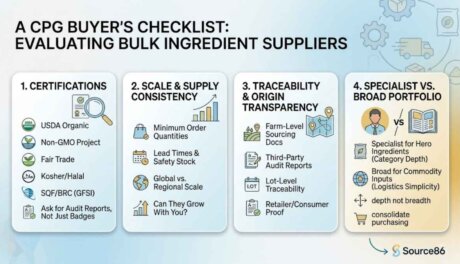
- Conducting comprehensive supplier audits to ensure quality and safety standards
- Implementing rigorous FSQA programs that monitor cleanliness and process control
- Performing routine testing on ingredients and environmental surfaces
- Establishing batch-level traceability for efficient containment during recalls
- Preparing detailed recall response plans in advance of any incidents
Transparent communication around safety measures not only mitigates risk but also builds trust with stakeholders and end consumers.
Prioritizing food safety
Salmonella remains a leading cause of foodborne illness and a pressing concern for all actors in the food industry. The good news? It’s preventable with the right systems, training, and attention to detail.
Maintaining high safety standards is not just a regulatory obligation—it is a core responsibility to consumers and a competitive advantage in today’s market.
If your team needs guidance on risk mitigation or sourcing ingredients that meet the highest safety standards, our FSQA experts are ready to help. Reach out to learn more about our services and solutions tailored to your supply chain.