





Bulk Coconut Aminos
Bulk coconut aminos is a soy free, gluten free seasoning sauce made from the sap of the coconut palm, Cocos nucifera, blended with sea salt and naturally aged. Most grades run 48 to 52 °Bx at pH 5.0 to 6.5, with 600 to 2,740 mg sodium per 100 g, well below typical soy sauce.
Two styles are available: coconut nectar with sea salt, and coconut syrup blended with coconut vinegar for a sharper, more acidic profile. Supply comes from processors in Indonesia, the Philippines, Sri Lanka, and Thailand, in conventional and certified organic grades, with Kosher, Halal, and BRCGS documentation on select grades. Compare a nectar grade and a vinegar blended grade side by side.
Coconut aminos pairs with a broader sauce lineup. See soy sauce, tamari, and other sauces from Pacific86, our sister company.
Product Data
| Botanical Source | Sap from the unopened flower clusters of Cocos nucifera L. |
|---|---|
| Ingredient Styles | Coconut nectar and sea salt, with water on some grades; coconut syrup, coconut vinegar, and salt |
| Certification Status | Conventional or certified organic |
| Brix | 32 to 65 °Bx by grade; 48 to 52 °Bx on most nectar grades |
| pH | 5.0 to 6.5 on most nectar grades; 2.5 to 4.0 on vinegar blended and acidic aged grades |
| Salt Content | 5 to 10% as NaCl on select grades |
| Sodium | 600 to 2,740 mg per 100 g by grade |
| Sugars | 33.5 to 46.8 g per 100 g |
| Fat | 0 to 0.1 g per 100 g |
| Moisture | 40 to 50% loss on drying on nectar grades |
| Water Activity | 0.84 to 0.90 maximum on select grades |
| Density | 1.12 to 1.16 g/ml on select grades |
| Total Plate Count | 10 to 10,000 cfu/g maximum by grade |
| Yeast and Mould | 10 to 100 cfu/g maximum |
| Pathogens | Salmonella negative in 25 g; E. coli negative or below 10 MPN/g |
| Heavy Metals | Lead, cadmium, and arsenic at 0.01 to 0.15 mg/kg maximum on select grades |
| Origin | Indonesia, Philippines, Sri Lanka, Thailand |
| Shelf Life | 18 to 24 months on most grades; 9 to 12 months on select bulk grades |
| Packaging | 10 to 25 kg bag in box or pail; 200 to 230 kg drum; 1,200 to 1,350 kg IBC |
| Storage | Ambient, 18 to 35°C, dry and away from sunlight; refrigerate after opening on select grades |
Request More Information
Need a quote, more info, or a sample? Fill out the form below, and we’ll be happy to help.
Are you a vendor? Please contact us here.
Certifications & Compliance
Core Documentation: Lot Records: Each lot ships with a COA reporting Brix, pH, and microbiology, plus the specification sheet, origin documentation, and SDS.
Certified Organic: Organic grades carry USDA NOP and EU Organic certification, with JAS on select grades, and are handled segregated from conventional lots.
Kosher and Halal: Kosher certification is available across several suppliers, with Halal certification on select Indonesian, Sri Lankan, and Philippine grades.
Food Safety Systems: Supplying facilities operate under BRCGS, FSSC 22000, IFS Food, ISO 22000, or HACCP, depending on the processor.
Fair Trade Programes: Select organic grades are certified under Fair for Life, Fairtrade, or Control Union Fair Choice social and fair trade standards.
Non GMO and Gluten Free: Non GMO verification and certified gluten free status, at gluten below 20 ppm, are available on select grades.
Testing Support: Microbiology is reported per lot, with heavy metals on select grades and aflatoxin and ochratoxin reported not detected on one organic grade.
Allergen Statements: Supplier statements confirm the product is soy free and gluten free; some declare coconut, and cross contact status is confirmed per facility.
Production & Sourcing
Coconut aminos begins with sap tapped from the unopened flower clusters of the coconut palm, the same raw material behind coconut nectar. Source86 sources from processors in Indonesia, the Philippines, Sri Lanka, and Thailand. Indonesia and the Philippines supply most conventional and organic nectar grades, Sri Lanka and the Philippines supply the vinegar blended style, and Thailand adds an aged organic grade.
Sap Collection: Unopened flower clusters of Cocos nucifera are tapped, and the fresh sap is moved quickly into processing to protect its quality.
Concentration: Fresh sap is concentrated into coconut nectar or syrup, the sweet base that carries the sugars and color of the finished sauce.
Blending: Nectar is blended with sea salt, and with water on some grades, while the vinegar style combines coconut syrup, coconut vinegar, and salt.
Aging: Several grades are naturally aged or fermented for a set period, developing the savory, rounded flavor that separates aminos from plain nectar.
Testing, Packing, and Traceability: Each lot is tested for Brix, pH, and microbiology, filled into bag in box, pails, drums, or IBCs, and lot coded for traceability.
Applications
- Soy Sauce Replacement: Sauce makers move to coconut aminos for recipes that must be soy free, gluten free, or lower in sodium than conventional soy sauce.
- Marinades and Glazes: Meat, poultry, seafood, and tofu marinades build on coconut aminos as the salty, savoury base, with nectar grades suited to glossy glazes.
- Dressings and Dipping Sauces: For Asian style dressings, dips, and sushi sauces, vinegar blended grades bring a brighter, tangier finish than nectar grades.
- Prepared Meals and Meal Kits: Frozen entrees, stir fry kits, and grain bowls carry coconut aminos as the seasoning sauce in allergen conscious recipes.
- Jerky and Meat Snacks: In beef, turkey, and plant based jerky, the marinade relies on coconut aminos for salt, colour, and savoury depth.
- Plant Based Proteins: Burgers, tofu products, and tempeh preparations gain savoury seasoning from coconut aminos without adding soy through the sauce.
- Soups, Broths, and Liquid Seasonings: Coconut aminos builds savoury depth in broths, ramen bases, and liquid seasonings for soy free product lines.
Physical & Functional Characteristics
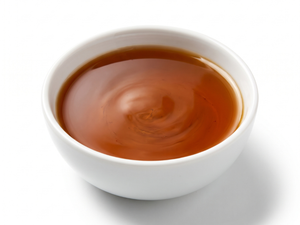
A free flowing liquid, clear to slightly opaque, with natural sediment possible on aged grades.
Salty and savoury with a subtle sweetness and caramel notes, plus a light smoky finish on some grades.
Characteristic of coconut syrup, with caramel and creamy notes, and a sharper vinegar edge on blended grades.
Amber to dark amber on nectar grades, deepening to dark brown or near black on aged and salted grades.
A thin to medium bodied liquid, lighter than coconut nectar, at a density of about 1.12 to 1.16 g/ml.
Coconut nectar or syrup with sea salt, plus water or coconut vinegar on some grades, and no declared preservatives.
About 180 to 195 kcal, 33.5 to 46.8 g sugars, and under 0.1 g fat per 100 g, with negligible protein.
Plant based, vegan, soy free, and gluten free, with gluten below 20 ppm on certified grades.
Sugars can crystallise over time in storage, and gentle warming returns the liquid to a uniform state.
Direct sunlight and heat degrade colour and flavour, and several grades need refrigeration once the container is opened.
Functionality
- Savoury Seasoning: Salt and naturally occurring amino acids deliver a rounded savoury taste, replacing soy sauce with dosage adjusted for its lower salt.
- Sweetness Balancing: Residual coconut sugars soften acidity and bitterness in sauces, reducing or removing the need for added sugar in many formulations.
- Browning and Glazing: Sugars in the nectar base caramelise under heat, building colour and gloss on grilled, roasted, or stir fried proteins.
- Acidity Contribution: Vinegar blended grades at pH 2.5 to 4.0 add tang to dressings and dips and contribute to the acidity of the finished system.
- Colour Development: The dark liquid deepens the colour of sauces, broths, and marinades, taking over the colour role soy sauce would otherwise play.
- Moisture Retention: Dissolved sugars and salt bind water, helping marinated proteins and jerky hold moisture through cooking and drying.
Benefits for Commercial Manufacturing
- Soy and Gluten Free Positioning: Replacing soy sauce with coconut aminos removes soy from the sauce, simplifying allergen labeling for soy free and gluten free lines.
- Lower Sodium Formulation: At 600 to 2,740 mg sodium per 100 g, coconut aminos supports sodium reduction against conventional soy sauce.
- Two Flavour Styles: Nectar grades suit sweet savoury glazes and marinades, while vinegar blended grades suit dressings and dips that need a sharper finish.
- Conventional and Organic Supply: Conventional and certified organic grades let brands run standard and organic SKUs on comparable specifications.
- Multi Origin Sourcing: Processors in Indonesia, the Philippines, Sri Lanka, and Thailand spread supply across several coconut producing regions.
- Industrial Pack Sizes: Bag in box, pails, 200 litre drums, and IBCs up to 1,350 kg match pack size to batch size and line setup.
- Ambient Storage: Shelf stable at ambient temperature before opening, with 18 to 24 months shelf life on most grades for steady drawdown.
- Documentation Ready: COA, specification, allergen, organic, Kosher, Halal, and food safety certificates support supplier approval and QA review.