
Key Product Selection Criteria
- Identity and marker compound: Spirulina is qualified on protein and phycocyanin, chlorella on protein and chlorophyll, and yacon on its FOS content.
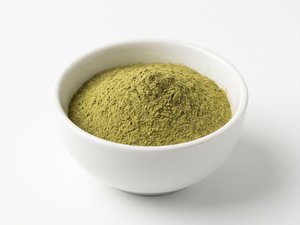
- Carrier content: Spray dried moringa is built on a maltodextrin carrier, while air dried leaf powder is moringa alone, a difference that shows on the ingredient statement.
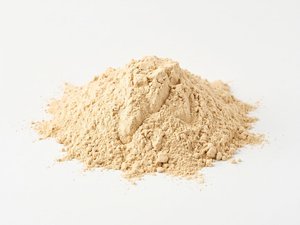
- Processing method: Raw maca is milled straight from dried root, while gelatinized maca is cooked before milling, which changes how it hydrates and blends.
- Cell wall treatment: Broken cell wall chlorella is offered alongside standard grades for supplement and tablet programs.
- Particle size: Mesh runs from 40 to 80 on moringa leaf powder to 120 on spirulina and chlorella, with the finer cuts suiting tablets and capsules.
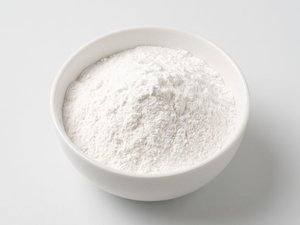
- Root starch or whole botanical: Arrowroot is a refined root starch at 95 to 97 percent purity, while maca and moringa are whole botanical powders that keep their full composition.
- Contaminant limits: Roots, leaves, and algae take up metals and residues from soil and water, so heavy metals and pesticide results weigh heavily at qualification.
Common Manufacturing Applications
- Dietary supplements: Spirulina, chlorella, maca, and moringa go into capsules, tablets, and powder blends.
- Greens and drink mixes: Smoothie blends and functional beverages draw color and plant protein from spirulina and moringa.
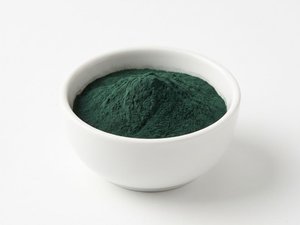
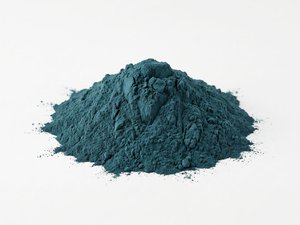
- Natural color: Confectionery and beverage makers use spirulina for a blue green shade from its phycocyanin.
- Bars and bakery: Protein bars, energy bites, and baked goods carry maca or moringa powder as a functional inclusion.
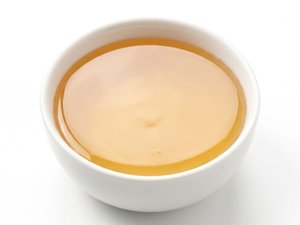
- Sweetening and binding: Yacon syrup works as a sweetener and binder in bars and clusters, with the powder serving as a dry inclusion.
- Gluten free thickening: Sauces, fillings, and gluten free noodle doughs rely on arrowroot for a clear, glossy set.
Documentation and Qualification Support
Each botanical is documented by species, plant part, origin, and lot.
- Certified Organic: USDA and EU organic grades across spirulina, chlorella, maca, moringa, and arrowroot, with JAS organic also offered on maca
- Kosher, Halal, Non GMO, and non irradiated: Confirmed per product, with non irradiated statements on file for spirulina and moringa
- Standard documentation: Certificate of Analysis, Product Specification Sheet, Allergen Statement, Country of Origin Documentation, and Safety Data Sheet
- Heavy metals: Lead, cadmium, arsenic, and mercury reported per lot against destination market limits
- Pesticide residue: Multi residue screening on leaf and root powders
- Microbiological limits: Plate count, yeast and mold, and pathogen results per lot, with extended pathogen testing on select arrowroot grades
- Traceability and transaction records: Provided for certified organic lots
Frequently Asked Questions
Spirulina is a blue green microalga with 60 percent minimum protein and natural phycocyanin. Chlorella is a green microalga at 50 percent minimum protein, supplied from China in standard and broken cell wall grades.
Spirulina and chlorella hold 24 to 36 months sealed, cool, and dry, while raw maca holds 24 months and gelatinized maca up to 36. Moringa keeps 24 months away from light.
It is a single ingredient root powder qualified on botanical identity, plant part, and contaminant limits like the rest of this family. Its role in a formula is thickening rather than nutrition.
Yes. Maca is harvested from May to September in the Peruvian Andes, so buyers often stock ahead, while spirulina and chlorella are cultivated year round.