Key Product Selection Criteria
- Oxidative stability: Omega 3 oils such as flaxseed and chia oxidize fastest, while high oleic sunflower oil, dominated by monounsaturated fat, holds up far longer in storage and frying.
- Free fatty acids and peroxide value: Both mark freshness at intake; deodorized cocoa butter, for example, is held at 0.50 percent maximum free fatty acids against 1.75 percent on natural grades.
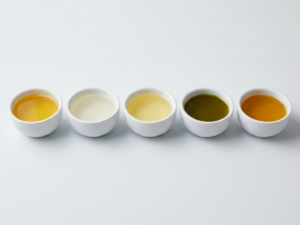
- Refined or unrefined: Refining strips free fatty acids, color, and odor for a neutral oil, while unrefined grades keep the flavor of their source seed or fruit.
- Smoke point: Refined avocado oil reaches about 520°F, while extra virgin avocado oil and unrefined seed oils sit lower and suit cold or low heat use.
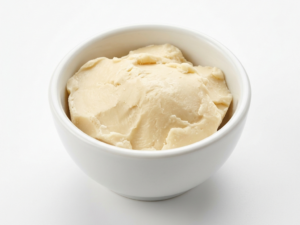
- Melting behavior: Cocoa butter is solid at room temperature and melts at 30 to 34°C on deodorized grades, which sets snap and mouthfeel in chocolate.
- Natural or deodorized: Natural cocoa butter keeps a light cocoa note, and deodorized grades are close to neutral where cocoa flavor would intrude.
- Moisture and impurities: Refined sunflower and organic flaxseed oil are held at 0.1 percent maximum, since water drives hydrolytic rancidity.
Common Manufacturing Applications
- Chocolate and confectionery: Cocoa butter builds the fat phase of chocolate, compound coatings, and confectionery fillings.
- Frying and snacks: Snack and foodservice fryers specify high oleic sunflower oil and refined avocado oil for long fry life.
- Dressings and cold sauces: Vinaigrettes, dips, and mayonnaise style sauces carry flaxseed, chia, hemp, or extra virgin avocado oil where the oil is never heated.
- Dietary supplements: Softgel and liquid supplement makers use flaxseed, chia, and hemp oils as plant based omega 3 sources.
- Bakery and cereals: Crackers, biscuits, and granola hold their shelf life longer when the fat is high oleic sunflower oil.
- Plant based foods: Dairy and meat alternatives blend seed and avocado oils for fat content and mouthfeel.
Documentation and Qualification Support
Records for oils and fats follow the grade, origin, and lot that ships.
- Certified Organic: Available on avocado oil, flaxseed and hemp seed oils, and natural cocoa butter
- Kosher, Halal, and Non GMO: Confirmed per oil, with chia seed oil supplied as a non GMO grade
- Standard documentation: Certificate of Analysis, Product Specification Sheet, Allergen Statement, Country of Origin Documentation, and Safety Data Sheet
- Oil quality parameters: Free fatty acids, peroxide value, moisture and impurities, and color reported against the purchased specification
- Aflatoxin and microbiology: Flaxseed oil lots reported for aflatoxin at 5.0 ppb maximum, plate count, and pathogens
- Traceability and transaction records: Organic lots handled segregated from conventional stock, with transaction certificates
Frequently Asked Questions
Why is cocoa butter listed here rather than with cocoa ingredients?
It is bought on fat specifications such as free fatty acids, iodine value, and melting point, the same fields used for liquid oils. Cocoa nibs, liquor, and powder sit under Cocoa & Chocolate Ingredients.
How are oxygen sensitive oils protected in transit?
Flaxseed oil is blanketed with nitrogen in tanks and drums and kept below 25°C. Once a drum is opened, flush the headspace with nitrogen and use the oil promptly.
What does winterizing add to refined sunflower oil?
Winterizing removes the waxes that cloud an oil in the cold. The RBDW grade therefore stays clear in chilled dressings and refrigerated sauces.
Why does avocado oil turn cloudy in cold storage?
It stays liquid at ambient temperature but can cloud or partly solidify under refrigeration. The change reverses on warming and is not a quality defect.