




Bulk Sunflower Lecithin
Bulk sunflower lecithin is the go-to emulsifier for manufacturers moving off soy. It is extracted from sunflower seed oil during refining, so it carries none of the soy allergen or GMO labeling concerns that come with soy lecithin, while doing the same work in a formula: binding oil and water, controlling viscosity and improving flow.
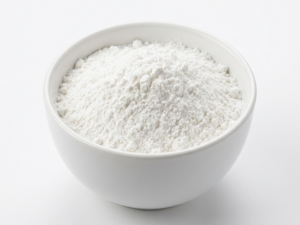
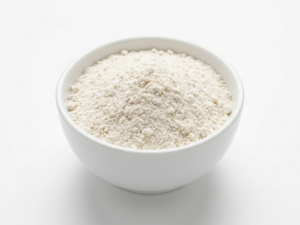
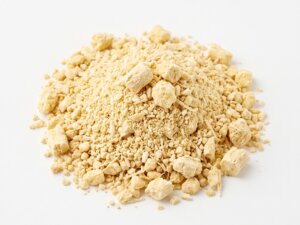
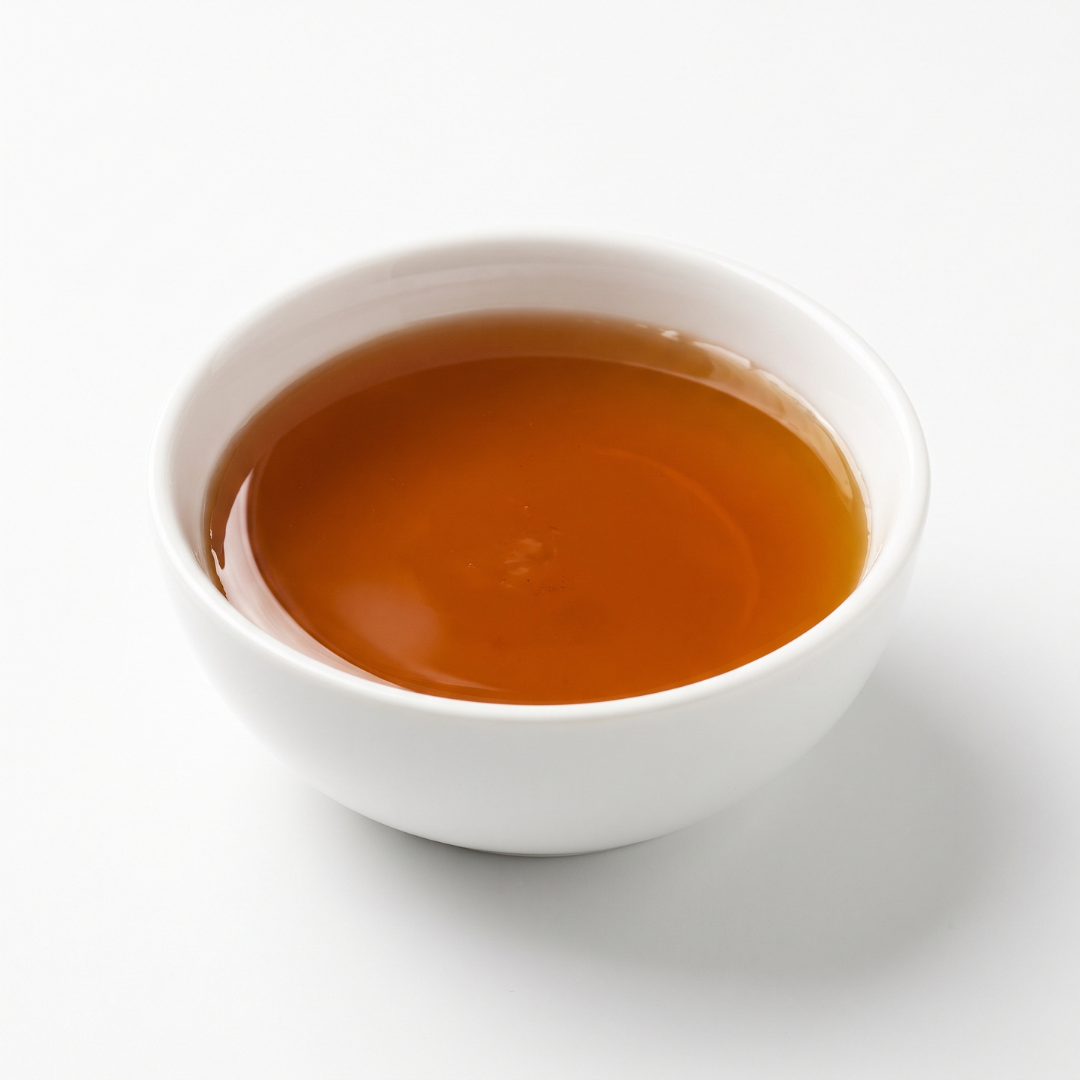
Source86 supplies sunflower lecithin in two formats. Liquid lecithin is an amber, fluid-to-viscous oil that is easy to pump and dose into fat phases. Powdered (de-oiled) lecithin is a free-flowing granule or powder for dry mixes, protein powders and instant beverages. Both are available in bulk for food manufacturers, supplement brands and R&D teams, with Non-GMO, Kosher and Halal documentation available upon request.
Need a soy-free emulsifier for your next reformulation? Request a quote or sample.
Product Data
| Source | Sunflower seed (Helianthus annuus) |
|---|---|
| Common Name | Sunflower lecithin, sunflower phospholipids |
| Available Formats | Liquid (fluid lecithin); powder or granules (de-oiled) |
| Main Components | Phospholipids, including phosphatidylcholine, phosphatidylethanolamine and phosphatidylinositol |
| Appearance | Amber to brown viscous liquid; light yellow to beige powder or granules |
| Odor and Flavor | Mild, characteristic; less pronounced than soy lecithin |
| Allergen Status | Soy-free; not a major allergen in US and EU labeling |
| GMO Status | Sunflower is not a commercially GM crop; non-GMO by default |
| Flavor | Mild, neutral, faintly nutty |
| Solubility | Liquid disperses in oils and fats; powder disperses in water and dry blends |
| Packaging | Liquid in drums and IBC totes; powder in lined bags or cartons |
| Storage Conditions | Cool and dry, sealed, away from light and heat; liquid may thicken in cold storage |
Request More Information
Need a quote, more info, or a sample? Fill out the form below, and we’ll be happy to help.
Are you a vendor? Please contact us here.
Certifications & Compliance
Source86 supplies bulk sunflower lecithin with documentation commonly required for commercial ingredient sourcing and supplier qualification.
Documentation available upon request: Certificate of Analysis (COA) · Specification sheet · Allergen statement · Non-GMO statement · Country-of-origin documentation · Safety Data Sheet (SDS)
Certifications and statements (availability may vary by supplier, origin and production lot): Non-GMO · Kosher · Halal · Organic (select grades) · Soy-free / allergen statement
Extended QA documentation, including solvent residue, heavy metals, pesticide residue and microbiological testing, can be provided per order.
Production & Sourcing
Sunflower lecithin is a co-product of sunflower oil refining, so supply follows the major sunflower-crushing regions. Source86 sources from established processors and can work across origins to keep volumes steady when one crop or region is tight.
How It’s Produced
- Crushing: Sunflower seeds are cleaned and pressed or extracted to produce crude oil.
- Degumming: Water is added to the crude oil, hydrating the phospholipids, which separate as a gum.
- Separation and Drying: The gum is separated by centrifuge and dried under vacuum to produce liquid lecithin.
- De-oiling (powder grades): Liquid lecithin is washed with acetone to remove the oil, then dried and milled into powder or granules.
- Filtration, Testing and Packing: Product is filtered, tested against specification and packed.
Harvest & Supply Availability
Sunflower seed is harvested in late summer to early fall in the Northern Hemisphere, typically August to October. Lecithin is produced year-round as stored seed is crushed.
Applications
- Chocolate and Confectionery: Lowers chocolate viscosity for molding and enrobing, and reduces stickiness in caramels and candies.
- Bakery: Improves dough handling and crumb structure in breads, cakes, biscuits and crackers; also used as a pan and mold release.
- Dressings, Sauces and Mayonnaise: Stabilizes oil-in-water emulsions.
- Spreads, Margarines and Nut Butters: Keeps fat and water phases uniform and limits oil separation.
- Protein Powders and Instant Beverages: De-oiled powder improves wetting and dispersion.
- Dairy and Dairy Alternatives: Creamers, ice cream and plant-based milks.
- Supplements: Capsules, softgels and powdered nutrition products.
- Meat and Frying: Release agent in meat processing; improves coating behavior in frying oils.
Physical & Functional Characteristics
Liquid grades range from fluid to viscous and thicken further in cold storage, while de-oiled grades flow freely as granules or powder.
Liquid grades are amber to brown. The light yellow to beige de-oiled powder is the paler option where finished product color matters.
Less pronounced than soy lecithin, so it rarely shows through in chocolate, dressings, or beverages.
Phospholipid-rich, with oil carrier in liquid grades and concentrated phospholipids in de-oiled grades.
Plant-based, vegan, soy-free and non-GMO.
Functionality
- Emulsification: Binds oil and water into stable emulsions.
- Viscosity Reduction: Thins chocolate and fat-based systems for processing.
- Wetting and Dispersion: Helps powders hydrate quickly in liquids.
- Release: Prevents sticking to molds, pans and processing equipment.
- Anti-Sticking and Flow: Improves the flow of sticky mixtures during processing.
Benefits for Commercial Manufacturing
- Soy-Free Labeling: Removes soy from the allergen statement without reformulating the process.
- Two Formats: Liquid for fat-phase dosing; powder for dry blends and instant products.
- Drop-In Replacement: Performs the same emulsifying role as soy lecithin at comparable use levels, subject to bench testing.
- Clean-Label Fit: Non-GMO, plant-based emulsifier with simple label declaration.
- Bulk Formats: Drums, totes and lined bags for production volumes.
- Documentation Readiness: COAs, allergen and non-GMO statements are available on request.