





Bulk Sunflower Lecithin Liquid
Source86 Liquid Sunflower Lecithin is a versatile emulsifier that’s derived from the finest sunflower seeds! 🌻 Food manufacturers rely on Liquid Sunflower Lecithin for its exceptional emulsifying properties. It ensures uniform texture and flavor in a wide array of products, from salad dressings to creamy soups. This ingredient can be used in the production of chocolate, margarine, spreads and confections as well. Our Liquid Sunflower Lecithin is available in bulk quantities, in customizable packaging options! 📦 Request for a Quote now to get started! 📨 Source86 is your number one supplier for premium bulk raw ingredients! ☝🏼 From sourcing to importing, our global team of trusty sourcerers is committed to getting you only the best ingredients in the market! 💯
Request More Information
Need a quote, more info, or a sample? Fill out the form below, and we’ll be happy to help.
Are you a vendor? Please contact us here.
Product Data
| Scientific Name | Helianthus annuus lecithin, |
|---|---|
| Origin Countries | Ukraine, Russia, and China |
| Product Uses | Chocolate production, frozen desserts, fried food |





Production & Sourcing
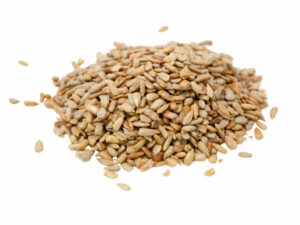
Liquid Sunflower Lecithin is produced through a process that begins with the extraction of oil from sunflower seeds. After the oil extraction, the crude sunflower oil undergoes a refining process to remove impurities. The refined oil is then mixed with water and subjected to a separation process, which isolates the lecithin from the oil.
This lecithin-rich mixture is further purified through filtration and evaporation. Finally, the concentrated sunflower lecithin is turned into a liquid form, making it a versatile and allergen-friendly emulsifier for use in various food manufacturing applications.
Applications
- Dressings and Sauces
- Baked Goods
- Chocolate Production
- Confectionary
- Nutritional Supplements
- Dairy Products
- Fried Food
- Desserts
- Frozen Desserts
- Nut Butters and Spreads
- Vegan
- Vegetarian
- Private Label
- Instant Mixes
Functionality
- Emulsifiers
- Stabilizer and Binder
- Texture Enhancement
- Release Agent
- Essential Fatty Acids
Benefits
Liquid Sunflower Lecithin is virtually flavorless. It imparts minimal, if any, taste to the food products it is used in.
As a liquid, sunflower lecithin has a smooth and pourable consistency. It is easily mixed and incorporated into various food formulations without significantly altering the texture.
Liquid Sunflower Lecithin is typically a pale yellow to amber liquid. It does not impart a strong color to the final food product.
Sunflower lecithin is a good source of essential fatty acids and phospholipids. It is also rich in choline, a nutrient important for brain health and liver function. Additionally, it is often used in small amounts, so its direct nutritional impact on a food product may be relatively modest.
Liquid Sunflower Lecithin serves as an excellent emulsifying agent. It helps blend and stabilize ingredients that would naturally separate, such as oil and water. This property is crucial in products like salad dressings, mayonnaise, and chocolate.
Liquid Sunflower Lecithin is virtually odorless. It does not contribute any discernible aroma to the final product.
Being flavorless and odorless, sunflower lecithin balances and harmonizes the flavors and textures of various food products without introducing its own distinct taste, aroma, or texture.
Sunflower lecithin works quietly in the background, providing structural support to the composition of a product without competing with or overshadowing the flavors, textures, or aromas of other ingredients.
Sunflower lecithin is a versatile ingredient used globally in food production. It doesn’t have specific cultural or regional ties, making it adaptable to various cuisines and food traditions worldwide.
Sunflower lecithin is not a common allergen, making it suitable for individuals with soy allergies or specific dietary preferences. It provides an alternative to soy lecithin for those who need to avoid soy-based products.
Uses in manufacturing
Liquid Sunflower Lecithin is a versatile ingredient in food manufacturing, known for its emulsifying, stabilizing, and texture-enhancing properties. Here’s how it is commonly used:
Like other lecithins, liquid sunflower lecithin is primarily used as an emulsifier. It helps combine and stabilize ingredients that would normally separate, such as oil and water. This is crucial in products like salad dressings, mayonnaise, and creamy sauces.
Sunflower lecithin helps maintain the stability of emulsions over time, preventing phase separation. This is essential for products like spreads, margarine, and other creamy formulations.
It can be used to enhance the texture of various food products. For instance, in baked goods like bread, cakes, and pastries, sunflower lecithin can improve dough elasticity and extensibility, leading to better handling and final product structure.
In confectionery products like chocolates, candies, and caramel, sunflower lecithin can reduce stickiness and improve the flow of the mixture during processing.
It can serve as a release agent in baking, preventing sticking in molds, pans, and other cooking surfaces.
In chocolate-making, it ensures smooth chocolate flow, aids in tempering, and provides a glossy finish. It’s also used in various confectionery items to achieve the desired texture.
Sunflower lecithin is often added to nutritional supplements and fortified foods to improve texture and stability. This is commonly seen in protein powders, instant beverages, and other fortified products.
In the dairy industry, sunflower lecithin may be used in products like creamers, ice creams, and cheeses to enhance texture, improve solubility, and stabilize emulsions.
It can be added to frying oils to improve their ability to coat the food’s surface evenly, leading to a more consistent and crispy coating.
It’s used in the production of nut butters and spreads to improve texture and prevent oil separation.
In meat processing, sunflower lecithin can be used as a release agent to prevent sticking during processing.

Main producing countries and Harvest time
Ukraine, Russia, and China are among the world’s top producers of sunflowers.
The general harvest season for sunflower seeds typically occurs in the late summer to early fall, depending on the specific region and climate. In the Northern Hemisphere, this usually falls between the months of August and October.