
We don’t like junk emails either.
That’s why we only send the good stuff… short, smart, and worth the open.

Source86
Importer of specialty raw ingredients, finished products and anything in between
The brands we supply can be found nationwide at






Need a quote, more info, or a sample? Fill out the form below, and we’ll be happy to help.
Are you a vendor? Please contact us here.
| Scientific Name | Arachis hypogaea |
|---|---|
| Origin Countries | China, India, Nigeria and the United States |
| Product Use | Nut butters and spreads, bars and cereals, dessert toppings |






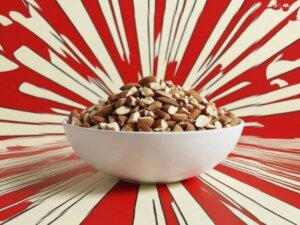
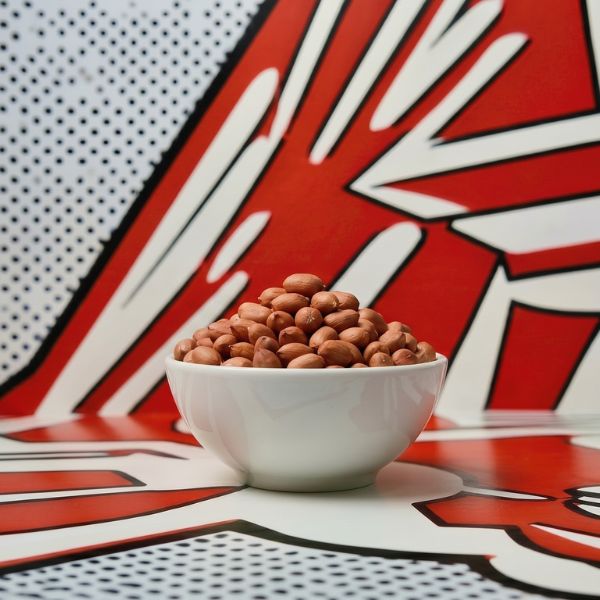
Raw Spanish peanuts are harvested from peanut plants once they reach maturity. The peanuts are carefully dug up from the soil, ensuring minimal damage to the shells. After harvesting, they undergo a cleaning process to remove any dirt or debris. Once cleaned, the peanuts are typically air-dried to reduce moisture content and prevent spoilage.
Raw Spanish peanuts have a mild and slightly sweet flavor with a hint of nuttiness. Compared to other peanut varieties, Spanish peanuts often have a more delicate and less assertive flavor profile.
These peanuts typically have a soft and creamy texture, making them less crunchy compared to other peanut varieties. The texture is smooth and velvety, which makes them well-suited for processing into peanut butter or other creamy products.
Raw Spanish peanuts have a light tan to pale brown color, with a thin papery skin covering the nutmeat. The color may vary slightly depending on factors such as growing conditions and processing methods.
Raw Spanish peanuts are a good source of protein, healthy fats, fiber, vitamins, and minerals. They contain essential nutrients such as vitamin E, niacin, folate, and magnesium. Additionally, Spanish peanuts are often higher in oleic acid, a type of monounsaturated fat, compared to other peanut varieties.
Raw Spanish peanuts have a moderate moisture content, which helps maintain their freshness and texture. While they do not contribute significantly to binding ingredients in recipes, their natural oils can enhance the texture and flavor of various dishes.
The aroma of raw Spanish peanuts is subtle and nutty, with a hint of sweetness. When roasted or cooked, the aroma becomes more pronounced, releasing a rich and fragrant scent that adds depth to dishes
Raw Spanish peanuts offer a balanced flavor profile, with a mild sweetness and nuttiness. They complement both sweet and savory dishes and can be used in a variety of culinary applications.
The contrast in texture between the soft and creamy nutmeat and the thin papery skin provides an interesting mouthfeel when eating raw Spanish peanuts. This contrast enhances the overall eating experience and makes them a versatile ingredient in cooking and baking.
Spanish peanuts are commonly grown in the southern United States, particularly in states like Georgia, Texas, and Alabama. They are often used in traditional Southern cuisine and are a staple ingredient in dishes such as peanut brittle, boiled peanuts, and peanut butter.
Raw Spanish peanuts are suitable for individuals with dietary restrictions, including those following vegan, vegetarian, or gluten-free diets. However, individuals with nut allergies should avoid consuming peanuts altogether.
Raw Spanish peanuts serve as a primary ingredient in the production of peanut butter. After shelling, cleaning, and roasting, the peanuts are ground into a smooth or chunky peanut butter paste. This paste is then processed with other ingredients such as oil, sugar, and salt to create the final product.
Raw Spanish peanuts are often used as a base ingredient in snack manufacturing. They can be roasted and seasoned to create flavored peanut snacks or mixed with other nuts, seeds, and dried fruits to produce trail mixes and snack bars.
Raw Spanish peanuts are used in the production of various confectionery items such as peanut brittle, nougat, and chocolate-covered peanuts. They add texture, flavor, and nutritional value to these sweet treats.
Raw Spanish peanuts can be incorporated into baked goods such as cookies, cakes, and bread. They add a nutty flavor and crunchy texture to baked items, enhancing their taste and nutritional content.
Raw Spanish peanuts are used in savory dishes such as salads, stir-fries, curries, and noodle dishes. They add protein, texture, and flavor to these dishes, making them more satisfying and nutritious
Raw Spanish peanuts are used as an ingredient in various processed foods such as cereals, granola bars, energy bars, and sauces. They provide flavor, texture, and nutritional benefits to these products.

China, India, Nigeria and the United States are among the main producing countries of peanuts. In China, peanuts are harvested from September to November.