Washington (September 25, 2026): The U.S. Department of Agriculture’s Food Safety and Inspection Service (FSIS) announced that Sempio Food Services Inc. is recalling approximately 4,596 pounds of ready-to-eat chicken stew products. The company imported the products from the Republic of Korea into the United States without the required import reinspection.
Sempio Food Services Inc. recall: quick summary
Sempio Food Services Inc. recalled about 4,596 pounds of ready-to-eat Sempio Korean Ginseng Chicken Stew products. The recall includes both the Classic and Rich varieties.
According to FSIS, the company imported the products from the Republic of Korea without completing the required import reinspection. The affected pouches carry Korean establishment number GIA15001.
Additionally, the company distributed the recalled products to retailers in Florida, Georgia, Illinois, Maryland, New Jersey, New York, Pennsylvania, and Virginia.
So far, FSIS has received no confirmed reports of illness linked to the recalled products.
Official recall details
- Recall Announcement Date: September 25, 2026
- Announcing Agency: USDA Food Safety and Inspection Service (FSIS)
- Company: Sempio Food Services Inc.
- Product: Ready-To-Eat Chicken Stew Products
- Issue: Imported Without the Benefit of Import Reinspection
- Quantity Recalled: approximately 4,596 pounds
- Shipping Mark: MK-2026-0422-01
- Production Date: March 30, 2026
- Best By Date: September 29, 2027
- Distribution Area: Florida, Georgia, Illinois, Maryland, New Jersey, New York, Pennsylvania and Virginia
- Recall Number: 024-2026
- Consumer Contact: Daniel Park, President, Sempio Food Services, USA, 562-207-9540 Ext. 101, [email protected]
- Call to Action: Want to know more about what happened? Keep reading.
Want to know more about what happened? Keep reading.
What happened?
FSIS discovered the issue during routine surveillance activities. According to the agency, Sempio Food Services Inc. is based in Cerritos, California.
The company produced the affected chicken stew products on March 30, 2026. Additionally, the products carry a best-by date of September 29, 2027, and shipping mark MK-2026-0422-01.
The company distributed the products to distributors and retailers in Florida, Georgia, Illinois, Maryland, New Jersey, New York, Pennsylvania, and Virginia.
Affected products
Product | Package size |
|---|---|
Sempio Korean Ginseng Chicken Stew Classic | 31.75-oz (900 g) pouch |
Sempio Korean Ginseng Chicken Stew Rich | 31.75-oz (900 g) pouch |
What caused the issue?
FSIS identified the issue after determining that the products entered the United States without the required import reinspection. However, the agency did not provide additional details about how the products bypassed this step.
So far, FSIS has received no confirmed reports of illness or injury linked to the recalled products. Still, the agency advises anyone concerned about an illness after eating the products to contact a healthcare provider.
FSQA Insight
“For imported ready-to-eat foods, verification should include confirming that required regulatory checks have been completed before products are released into distribution,” said Divina Grace Barroso, Head of FSQA at Source86.
“Building import documentation and inspection status into release procedures gives FSQA teams a defined checkpoint to identify compliance gaps and hold affected products before they move further through the market.”
Here’s what you should do
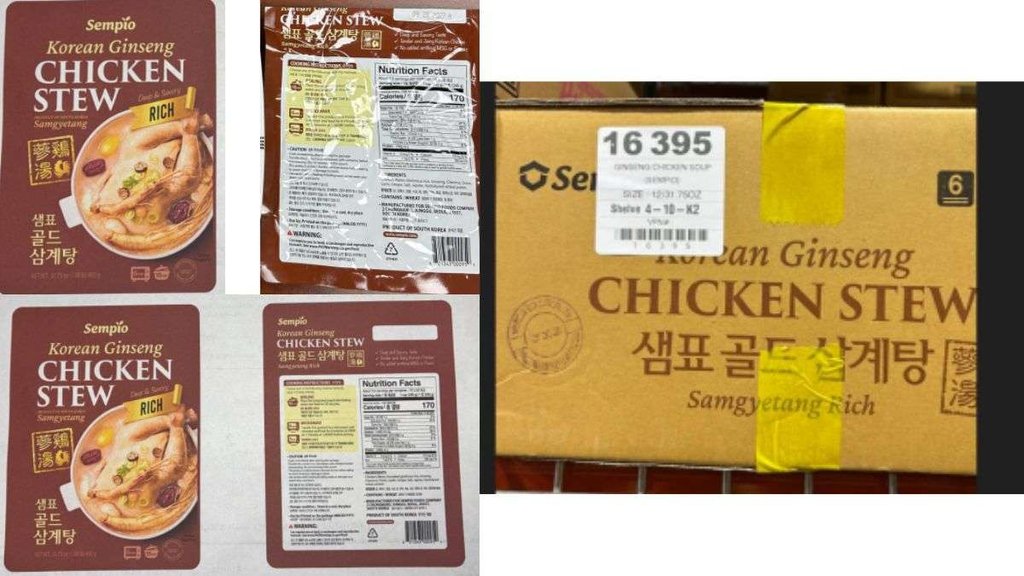

- Consumers who have purchased these products are urged not to consume them.
- These products should be thrown away or returned to the place of purchase.
Behind the brand
Sempio Food Services Inc. is based in Cerritos, California, according to the FSIS notice.
Import reinspection plays an important role across the meat and poultry sector. Through this process, FSIS verifies that imported products from foreign establishments meet U.S. requirements before they enter commerce.
However, the recall notice provides limited information about Sempio Food Services Inc. beyond its location and involvement in the recall.
Other relevant recalls
- Corte Argentino USA Recalls Raw Beef Products Over Import Reinspection Issue: Same import reinspection issue involving USDA-regulated meat products.
- El Eden Import Distributor Corp. Recalls De Todito Snacks Over Pork Import Eligibility Issue: Related import eligibility failure affecting imported food products.
- Shanghai Ravioli Corporation Recalls Frozen Buffalo Chicken Products Produced Without Federal Inspection: Similar federal inspection compliance failure involving chicken products.
- Star Meat Delivery Inc. Recalls Raw Pork, Beef, and Goat Products Produced Without Federal Inspection: Related USDA inspection compliance issue involving meat products.
Regulatory context
Import reinspection serves as a key safeguard in the U.S. meat and poultry system. Through this process, FSIS verifies that foreign-produced products meet U.S. requirements before they enter commerce.
At ports of entry, inspectors check factors such as establishment eligibility, labeling, and compliance with applicable requirements. When products bypass reinspection, regulators lose an important verification step designed to identify potential compliance issues before distribution.
Therefore, importers and distributors handling ready-to-eat proteins from overseas should maintain records showing that each shipment cleared the required reinspection process. Similarly, co-manufacturers and private label brands that source products internationally can use strong verification and documentation practices to reduce the risk of recalls related to import compliance gaps.
Ensuring safe eats
Import compliance gaps like this one highlight the importance of verification checkpoints throughout the food supply chain. Strong documentation and clear supplier communication can help companies identify reinspection issues before products reach store shelves.
Meanwhile, consumers should check their pantries for the affected chicken stew pouches and follow the recall notice’s instructions for disposal or return. Staying informed about current recalls can also help consumers make safer decisions at home.
Skipping FSIS import reinspection is a documentation failure, not a product defect, and Source86 tracks reinspection status on every imported meat-containing shipment it manages.
Need help managing FSIS import paperwork? Get in touch.