




Bulk Coconut Nectar
Bulk coconut nectar, also sold as coconut syrup or coconut blossom syrup, is a liquid sweetener made by gently evaporating the sap collected from the flower buds of the coconut palm (Cocos nucifera). Nothing else goes into it: no coconut fruit, no added sugar and no preservatives.
Source86 supplies coconut nectar from producers in Indonesia, Sri Lanka, the Philippines and Thailand, in light (65–68 Brix), standard (68–75 Brix) and thick (75–80 Brix) grades, conventional and certified organic. Food and beverage manufacturers use it as an amber, caramel-toned alternative to cane syrups and honey in bars, beverages, sauces, bakery, dairy alternatives and confectionery.
Procurement and R&D teams can order from retail bottles for private label up to 1,350 kg IBC totes. USDA Organic, EU Organic, Kosher, Halal and Fair Trade documentation is available upon request.
Our sister company, Pacific86, offers more coconut products, plus noodles, sauces, and seaweed, for retail and private label.
Request a quote or a sample to match the Brix grade to your process.
Product Data
| Botanical Identity | Cocos nucifera (coconut palm), flower sap |
|---|---|
| Common Name | Coconut nectar, coconut syrup, coconut blossom syrup, coconut sap syrup |
| Plant Part Used | Coconut kernel (meat), partially defatted |
| Ingredients | 100% coconut flower sap |
| Available Grades | Light (65–68 Brix), standard (68–75 Brix), thick (75–80 Brix); conventional and organic |
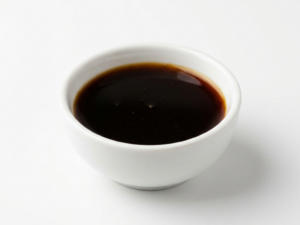
| Appearance | Amber to dark brown liquid; light grades are golden to light brown |
| Odor and Flavor | Sweet, with caramel and mild coconut notes |
| Moisture | 20–34%, inversely related to Brix |
| Density | Approx. 1.33–1.40 g/ml |
| Origin Countries | Indonesia, Sri Lanka, Philippines, Thailand |
| Packaging | 200–375 ml glass or PET bottles; 12 kg bags; 5.5–52 kg pails and jerry cans; 20 L bag-in-box; 185–250 kg drums; 915–1,350 kg totes and IBCs |
| Shelf Life | 12 to 27 months, depending on grade and pack size |
| Storage Conditions | Ambient (18–25°C), dark and dry; refrigerate after opening; gently warm if crystallized |
Request More Information
Need a quote, more info, or a sample? Fill out the form below, and we’ll be happy to help.
Are you a vendor? Please contact us here.
Certifications & Compliance
Source86 supplies bulk coconut nectar with documentation commonly required for commercial ingredient sourcing and supplier qualification.
Documentation available upon request: Certificate of Analysis (COA) · Specification sheet · Nutritional information · Allergen statement · Country-of-origin documentation · Safety Data Sheet (SDS)
Certifications and statements (availability may vary by supplier, origin and production lot): USDA Organic · EU Organic · JAS Organic · Kosher · Halal · Fair Trade / Fair for Life · Non-GMO Project Verified · Certified Gluten-Free
Producing facilities hold food safety certifications that vary by supplier, including BRCGS, FSSC 22000, ISO 22000, HACCP and GMP.
Additional QA documentation, including heavy metals, pesticide residue, sulfite testing or extended microbiological reports, can be provided per order. Contact our team to confirm documentation for your compliance requirements.
Production & Sourcing
Coconut nectar is a tropical product with a relatively small number of specialized producers. Source86 works with processors across four countries in South and Southeast Asia, so buyers are not tied to a single origin’s weather, labor availability or export conditions.
How It’s Produced
- Tapping: Farmers climb the palm and cut the unopened flower bud (inflorescence), then collect the sap that drips out, usually twice a day.
- Filtration: Fresh sap is filtered to remove debris.
- Evaporation: The sap is heated at low to moderate temperature, around 87–93°C on some lines, to evaporate water until the target Brix is reached.
- Final Filtration and Hot Filling: The finished syrup is filtered again and hot-filled or aseptically packed.
Harvest & Supply Availability
Coconut palms flower continuously, so sap is tapped year-round. Tapping a flower bud for sap means that bud will not become a coconut, so producers manage nectar and fruit yield on separate trees or plots.
Applications
- Bars and Clusters: Thick grades act as a binding syrup in granola bars, protein bars and clusters.
- Beverages: Light grades blend into cold brew, RTD teas, smoothies and functional drinks.
- Sauces, Dressings and Marinades: Adds sweetness and caramel depth to Asian-style sauces, glazes, BBQ and dressings.
- Bakery: Liquid sweetener in cookies, muffins and breads, contributing moisture and browning.
- Dairy Alternatives and Desserts: Sweetens plant-based yogurts, ice creams and puddings.
- Confectionery: Caramels, fudge, chocolate fillings and candies.
- Breakfast and Toppings: Cereals, oatmeal, pancakes and retail table syrup for private label.
Physical & Functional Characteristics
Clear to opaque viscous liquid.
Sweet, caramel-like, with a mild coconut note and no strong coconut taste.
Pleasant, caramel-sweet, free of fermented notes.
Golden to amber (light grades); dark amber to reddish brown (thick grades).
Approx. 270–320 kcal, 67–79 g carbohydrate and 0 g fat per 100 g, with sugars mainly as sucrose.
Plant-based, vegan and gluten-free. Single-ingredient.
Functionality
- Sweetening: Provides liquid sweetness with sucrose as the main sugar.
- Binding: High-Brix grades hold dry ingredients together in bars and clusters.
- Browning and Color: Contributes amber color and Maillard browning in bakery and sauces.
- Flavor Depth: Adds caramel and toffee notes that can reduce the need for added flavors.
- Moisture Retention: Helps keep baked goods and bars soft.
Benefits for Commercial Manufacturing
- Brix-Matched Grades: Light, standard and thick grades let R&D replace existing syrups without reworking process temperatures or water balance.
- Clean-Label Sweetener: A single-ingredient, unrefined palm sap syrup with no additives.
- Certification Depth: Organic, Fair Trade, Kosher, Halal and Non-GMO options support premium and export product lines.
- Four-Country Supply: Indonesia, Sri Lanka, the Philippines and Thailand reduce single-origin risk on a specialty crop.
- Pack Range: Retail bottles to 1,350 kg IBCs support private label, pilot runs and full production.
- Shelf Life Planning: Up to 27 months on thick grades supports forward buying. Lighter grades suit fast-turning inventory.