




Bulk Coconut Palm Sugar
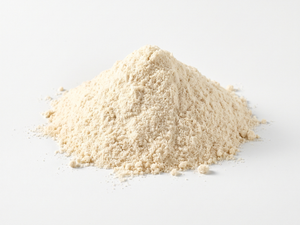
Bulk coconut palm sugar comes from the same coconut blossom sap as coconut nectar, but it is cooked further, past the syrup stage, until it crystallizes into dry, brown granules. It behaves like brown cane sugar in most formulas, with a caramel, lightly toasted flavor and a single-ingredient label.
The main decision for buyers is granule size. Source86 supplies coconut sugar from 10 mesh (coarse granules) down to 50 mesh (fine powder), in conventional and certified organic grades, plus an organic vanilla-flavored version. Supply comes from established producers in Indonesia, the largest coconut sugar origin, and Sri Lanka.
Food, beverage and private-label manufacturers can buy it in 20–25 kg cartons and sacks or retail-ready pouches and sachets. USDA Organic, EU Organic, Fair Trade, Kosher, Halal and Non-GMO Project documentation is available upon request.
Sourcing Asian ingredients for a new product? Talk to us about Pacific86’s Asian pantry range, supplied by our sister company.
Request samples in two mesh sizes to test dissolution and texture in your product.
Product Data
| Scientific Name | Cocos nucifera (coconut palm), blossom sap |
|---|---|
| Common Names | Coconut palm sugar, coconut sugar, coconut blossom sugar |
| Ingredients | 100% coconut sap; vanilla grade adds vanilla extract powder |
| Appearance | Granules or fine powder; light to medium brown |
| Sucrose | 75% min |
| Brix (in solution) | 90–96 |
| Moisture | 2–3% max on most grades |
| Ash | 2–3.5% max |
| pH (10% solution) | 5.0–8.0 |
| SO₂ | ≤10 mg/kg on select grades |
| Origin Countries | Indonesia, Sri Lanka |
| Packaging | 25 kg cartons (2 × 12.5 kg); 20 kg cartons (4 × 5 kg); 20–25 kg sacks; retail pouches, jars and sachets for private label |
| Shelf Life | 24 to 36 months |
| Storage Conditions | Cool and dry (below 27°C), sealed, away from humidity, which causes caking |
Request More Information
Need a quote, more info, or a sample? Fill out the form below, and we’ll be happy to help.
Are you a vendor? Please contact us here.
Certifications & Compliance
Source86 supplies bulk coconut palm sugar with documentation commonly required for commercial ingredient sourcing and supplier qualification.
Documentation available upon request: Certificate of Analysis (COA) · Specification sheet · Nutritional information · Allergen statement · Country-of-origin documentation · Safety Data Sheet (SDS)
Certifications and statements (availability may vary by supplier, origin and production lot): USDA Organic · EU Organic · JAS Organic · Naturland · Fair Trade · Kosher · Halal · Non-GMO Project Verified · Certified Gluten-Free (GFCO)
Producing facilities hold food safety certifications that vary by supplier, including FSSC 22000, BRC, ISO 22000 and HACCP.
Extended testing, including heavy metals, SO₂, pesticide residue and isotope analysis to verify coconut sugar purity, can be supplied per order.
Production & Sourcing
Indonesia produces most of the world’s coconut sugar, largely on Java, where smallholder tappers collect sap and cook it in village and factory kitchens. Source86 works with multiple Indonesian producers and a Sri Lankan producer, which spreads supply across many tapping communities rather than one plantation.
How It’s Produced
- Tapping: Tappers cut the coconut flower bud and collect the dripping sap, usually morning and evening.
- Filtering: Fresh sap is filtered to remove debris.
- Cooking: Sap is boiled in open pans until it thickens, first into syrup and then into a thick paste.
- Crystallization: The paste is stirred as it cools until it crystallizes into granules.
- Drying and Sieving: Granules are dried to low moisture and sieved into mesh grades.
- Packing: Sugar is packed in lined cartons or sacks to protect it from humidity.
Harvest & Supply Availability
Coconut palms flower continuously, so sap is tapped year-round. Output can dip in heavy rainy seasons, when sap is more dilute, so multi-producer sourcing helps keep volumes steady.
Applications
- Bakery: Cookies, cakes, muffins and breads, as a 1:1 brown sugar swap.
- Bars, Granola and Cereals: Sweetening and caramel flavor in clusters, bars and breakfast cereals.
- Beverages: Coffee, tea, chai and cocoa mixes; fine mesh for instant powders.
- Confectionery and Chocolate: Caramels, toffees and coconut sugar chocolate.
- Sauces and Marinades: Asian sauces, BBQ sauces, glazes and dressings.
- Dairy Alternatives and Desserts: Plant-based ice cream, yogurt and puddings.
- Retail and Private Label: Table sugar in pouches, jars and single-serve sachets.
Physical & Functional Characteristics
Free-flowing granules or fine powder, by mesh.
Light brown to medium brown.
Sweet and caramel-like, with a mild coconut note.
Low, 2–3% max.
Brittle and crisp in the dry state.
Approx. 380–390 kcal and 93–97 g carbohydrate per 100 g, with sugars mainly as sucrose.
Plant-based, vegan, gluten-free and non-GMO. Single-ingredient (unflavored grades).
Functionality
- Sweetening: Provides sucrose-based sweetness comparable to brown sugar.
- Browning: Supports caramelization and Maillard browning in baking and cooking.
- Flavor: Adds caramel and toffee notes, reducing the need for added flavorings.
- Bulk and Structure: Contributes the same bulk and structure as sugar in doughs and batters.
Benefits for Commercial Manufacturing
10 to 50 mesh lets each line run the granule size it needs without milling in-house.
Works 1:1 in most formulas, limiting reformulation time.
Organic, Fair Trade, Non-GMO and gluten-free options from several producers support premium positioning.
Several Indonesian producers plus Sri Lanka reduce disruption from weather or a single facility.
Retail pouches, jars and sachets alongside bulk cartons.
24 to 36 months in sealed packaging supports forward buying.