Food recalls are an unfortunate reality in today’s food industry. While pathogens like Salmonella and Listeria grab headlines, the leading cause of U.S. food recalls is undeclared allergens—posing serious risks for millions with food allergies.
According to the FDA, food allergens must be clearly declared on packaging because “even trace amounts can trigger serious or life-threatening reactions.” Understanding the role of undeclared allergens is vital for food manufacturers, QA teams, and concerned consumers alike.
What Are Undeclared Allergens?
An undeclared allergen is an allergenic substance present in a food product but not listed on the label. This typically results from:
- Labeling errors or outdated packaging
- Cross-contact during production
- Miscommunication with suppliers
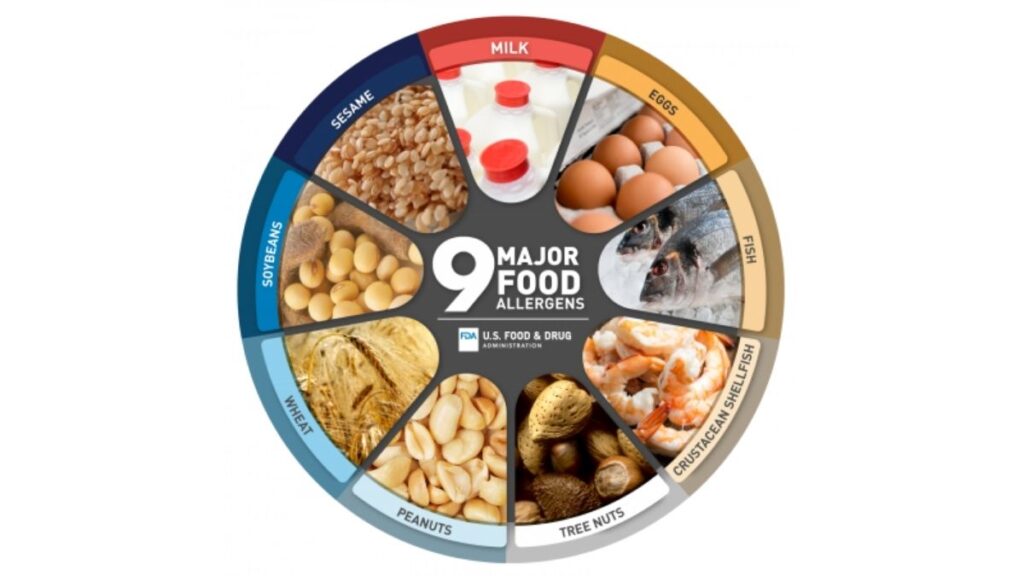
The FDA identifies the “Big 9” allergens that must be declared:
- Milk
- Eggs
- Peanuts
- Tree nuts
- Soy
- Wheat
- Fish
- Crustacean shellfish
- Sesame (added in 2023)
According to the FDA’s allergen page, “food labels must list the food source names of all major food allergens used to make the food.”
Why Do These Recalls Happen?
Undeclared allergen recalls typically fall into three categories:
- Labeling Errors: Old templates or missed reformulations
- Cross-Contamination: Shared equipment leads to unintentional traces
- Supplier Issues: Mislabeling or hidden allergens in ingredients
A USDA FSIS report highlights that “the most common undeclared allergens include milk, soy, eggs, and wheat.”
One of the most common mistakes? Failing to update product labels after switching ingredients or suppliers.
Undeclared Milk Allergen: Why It’s the Most Common Offender
Among all food allergens, milk is consistently the most frequent cause of undeclared allergen recalls. Here’s why:
- Milk Is Everywhere: Found in bakery goods, deli meats, sauces, even dark chocolate
- Hidden in Plain Sight: Ingredients like whey or caseinate can be overlooked
- Cross-Contact Risk: Shared lines in production increase exposure
- Label Updates Missed: Reformulations with dairy ingredients often bypass proper relabeling
What Is Undeclared Milk?
Undeclared milk means any milk-derived ingredient present in a food item but not disclosed. For individuals with milk allergies, this can be life-threatening—even if found in small amounts or unexpected products like plant-based foods.
The FDA’s Conversations with Experts series warns that “milk-derived ingredients can appear under many names and are often the source of labeling oversights.” (Source: FDA Conversation with Experts)
Symptoms and Risks of Allergen Exposure
Accidental exposure to undeclared allergens can trigger symptoms such as:
- Hives, swelling, or rashes
- Vomiting, cramps, diarrhea
- Shortness of breath
- Anaphylaxis (a life-threatening emergency)
Children, those with multiple allergies, and immunocompromised individuals are particularly vulnerable.
How Big Is the Problem?
Undeclared allergens account for over 40% of all U.S. food recalls, per FDA and USDA data. Hundreds of recalls happen every year—with milk being the most frequently undeclared allergen.
Recent examples include:
- On April 24, 2025, New England Village Foods issued a voluntary recall of their “19th Hole Snack Mix” after a customer made a surprising discovery: almonds in a snack mix that didn’t list almonds on the label.
- On February 25, Natural Dior LLC voluntarily recalled multiple lots of its dietary supplement, Vitafer-L Gold Liquid, due to the presence of undeclared tadalafil.
- On February 19, 2025, Naturipe Value Added Fresh LLC issued a recall for its Berry Buddies, Berries & Pancakes snack packs due to undeclared wheat and eggs—a serious issue for those with food allergies.
- On February 13, 2025, JE Bakery 2019 LLC recalled its Raisin Bran Muffin 6 Count due to an unfortunate mix-up—what’s inside the package isn’t actually Raisin Bran Muffins but Glorious Morning Muffins, which contain walnuts.
- On Decemeber 16, 2024, GNMART Inc issued a nationwide voluntary recall of its Force Forever Joint Pain Supplement due to the presence of undeclared drug ingredients, Diclofenac and Dexamethasone.
“Accurate allergen labeling isn’t optional—it’s critical. When allergens go undeclared, it puts lives at risk and erodes trust in food brands.” — Eran Mizrahi, CEO of Source86
Wanna know more? Check the top 10 undeclared allergen food recalls of 2025 (so far).
Key Regulations and Labeling Laws
Allergen regulations are enforced primarily through:
- FALCPA: Requires the Big 9 allergens to be listed using common terms (e.g., “milk” instead of “caseinate”)
- FSMA: Introduces preventive allergen controls in food facilities
- FDA & USDA Oversight: Both agencies monitor and enforce compliance in different food sectors
Unless exempt (like some raw commodities), allergens must be declared.
How Recalls Are Managed
When an undeclared allergen is found:
- Companies usually initiate a voluntary recall, often coordinated with the FDA or USDA
- Affected products are removed from sale
- The root cause is investigated
Most of these are Class I recalls, defined as situations where there’s “a reasonable probability that the use of the product will cause serious health consequences or death.”
Steps to Prevent Undeclared Allergen Recalls
Manufacturers can mitigate risk with:
- Label and Ingredient Audits
- Routine Allergen Testing
- Supplier Compliance Checks
- Employee Allergen Training
Final Thoughts
Undeclared allergens—especially milk—remain a top recall concern across the U.S. food system. While the risks are high, the right preventive actions can protect consumers and brands alike.
Looking to strengthen your allergen control strategy or reduce recall risks in your operation?
At Source86, we help food and CPG brands navigate compliance, improve traceability, and stay ahead of regulatory challenges. Explore our resources and tools to take proactive control of your food safety program.